Plan in a minute Successful graduation party ideas center around flexible open house scheduling, crowd-pleasing self-serve food bars, and food safety protocols. Organizing a four-hour afternoon open house with interactive taco or slider bars keeps catering costs between $8 and $15 per guest while allowing family and friends to celebrate high school or college milestones without crowding.
Graduating from high school or college represents years of rigorous academic effort, personal growth, and perseverance. For graduates and their families, hosting a graduation party offers a joyous opportunity to celebrate these achievements alongside extended family, neighborhood friends, teachers, and classmates. However, coordinating an event during peak graduation season requires smart logistical planning to avoid scheduling conflicts and budget overruns.
Family organizers frequently asked how to provide abundant hospitality without spending their entire weekend trapped in the kitchen. Traditional sit-down dinners demand rigid headcounts that rarely match the fluid social dynamics of graduation weekend, when students often attend multiple classmate celebrations on the same afternoon. In contrast, the informal "open house" model provides a relaxed framework where guests arrive, congratulate the graduate, enjoy light refreshments, and mingle at their own pace.
This comprehensive planning checklist delivers practical graduation party ideas, including self-serve food bar menus, USDA-compliant outdoor food safety protocols, realistic budget tiers, invitation timing guidelines, and decorating ideas for high school and college celebrations.
Why do open house graduation party ideas work best for families?
The open house format works best for graduation parties because it accommodates staggered guest arrival times, reduces seating congestion, and respects the busy social calendars of fellow graduates. During May and June, classmates frequently receive dozens of invitations for the same weekend. A rigid two-hour dinner forces friends to choose between parties, whereas a four-hour open house window allows guests to drop in comfortably.
Hosting an open house also simplifies residential hosting. If you invite 100 total guests to a backyard gathering, rarely will more than 35 to 45 attendees be present simultaneously. This natural rotation prevents residential street parking from overflowing, ensures bathroom lines remain manageable, and allows the graduate to have meaningful one-on-one conversations with every arriving relative and mentor.
To maximize turnout, schedule your open house between 1:00 PM and 5:00 PM or between 2:00 PM and 6:00 PM on the Saturday or Sunday following commencement. Avoid scheduling your event during the actual morning of the school ceremony, when graduates and parents are focused on rehearsal schedules and stadium traffic. For insights on connecting commencement milestones with earlier senior traditions, review our comprehensive guide to senior night ideas.
Which grad party food ideas offer the best balance of cost and flavor?
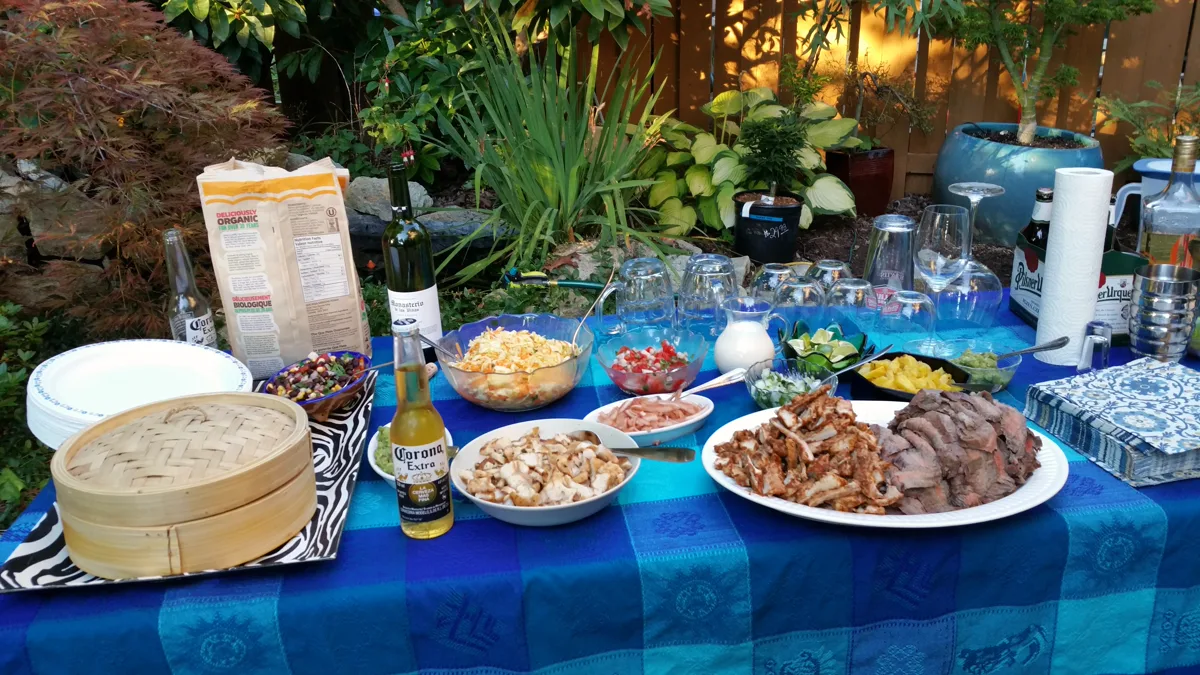
Self-serve food stations represent the premier choice for graduation entertaining, allowing guests of all ages and dietary preferences to customize their meals while keeping food waste low. Rather than ordering pre-plated catering trays, building interactive food bars allows hosts to replenish ingredients incrementally throughout the afternoon.
The comparison table below details five proven grad party food ideas, comparing core ingredients, average grocery expenses per guest, warming equipment needs, and dietary flexibility.
| Food Bar Concept | Core Base Ingredients | Average Cost per Guest | Warming Equipment Needed | Dietary Inclusivity |
|---|---|---|---|---|
| Street Taco & Fajita Bar | Seasoned shredded chicken, carnitas, tortillas, rice, beans | $8 to $12 | Three slow cookers or chafing dishes | High (naturally gluten-free corn options, vegetarian beans) |
| Gourmet Slider & Pulled Pork Station | Brioche slider buns, pulled pork, shredded BBQ chicken, coleslaw | $9 to $13 | Two electric warming roasters | Moderate (requires gluten-free bun alternatives) |
| Loaded Baked Potato & Salad Bar | Baked russet potatoes, chili, broccoli cheese soup, fresh greens | $6 to $9 | Insulated roaster pans or warmers | High (ideal for vegetarian and gluten-sensitive guests) |
| Artisan Pasta & Meatball Station | Penne pasta, marinara, Alfredo, Italian meatballs, garlic bread | $7 to $11 | Three full-size chafing wire racks with Sterno | Moderate (carb-heavy, requires gluten-free pasta substitute) |
| Charcuterie & Flatbread Grazing Table | Cured meats, artisan cheeses, fruit, nuts, crackers, dips | $12 to $18 | Chilled marble slabs or ice trays | High (finger food grazing, dairy-free nuts and fruit) |
Among these culinary options, the Street Taco Bar consistently earns the highest praise from high school and college crowds. Because meat fillings hold temperature exceptionally well in standard slow cookers, hosts can prepare proteins a day in advance and simply reheat them before the party begins. Guests appreciate being able to build light three-bite street tacos or hearty burrito bowls depending on their hunger level.
What food safety rules must hosts follow for outdoor summer buffets?
Hosts must follow strict temperature and hygiene rules when serving food outdoors during warm summer afternoons. High school and college graduation parties take place during early summer when outdoor temperatures frequently climb above 85 degrees Fahrenheit. Improperly managed dairy products, sliced meats, and mayonnaise-based salads can quickly spoil and cause foodborne illnesses.
According to official food safety standards established by the U.S. Department of Agriculture on FoodSafety.gov, perishable foods must never sit in the temperature "Danger Zone" between 40°F and 140°F for more than two hours. If ambient outdoor temperatures exceed 90°F, this safety window shrinks to just one hour.
Implement these critical outdoor buffet safety protocols:
- Ice Baths for Cold Dishes: Place bowls containing pasta salads, potato salads, dips, and cut fruit directly inside larger shallow pans filled with crushed ice. Replace melting ice every 90 minutes.
- Sterno Chafing Dishes for Hot Proteins: Maintain hot cooked meats and soups at or above 140°F using dual Sterno burners beneath water-jacketed chafing pans. Keep lids closed when guests are not serving themselves.
- Small Batch Rotation: Instead of setting out a massive ten-pound tray of cold cuts or cheese cubes at noon, divide supplies into smaller three-pound platters stored in the refrigerator, rotating fresh platters out as needed.
- Insect Protection: Use pop-up mesh food tents or screen covers over open serving bowls to shield condiments and garnishes from flies and bees.
For additional seasonal party resources and ceremonial planning guides, browse our complete collection of graduation planning archives.
How should families budget for high school and college graduation parties?
Families should budget for graduation parties by establishing a realistic spending tier based on guest counts, venue rental requirements, and catering selections. Costs can range from a few hundred dollars for an intimate backyard barbecue to several thousand dollars for a fully catered country club reception.
Here is how typical graduation party expenses break down across three common budget tiers:
- Backyard DIY Open House ($400 to $900 for 50 to 75 guests):
- Venue: Home backyard, patio, or community clubhouse (Free or minimal fee).
- Food & Beverage: Homemade pulled pork or taco bar, lemonade dispensers, homemade cupcakes ($300 to $500).
- Décor: School-color latex balloons, photo prints on clothespin twine, paper plates and cups ($100 to $200).
- Semi-Catered Celebration ($1,200 to $2,400 for 75 to 125 guests):
- Venue: Rented outdoor park pavilion or church social hall ($150 to $350).
- Food & Beverage: Local restaurant catering pans (chipotle, barbecue, or Italian pasta), sheet cake, canned sodas and seltzers ($800 to $1,400).
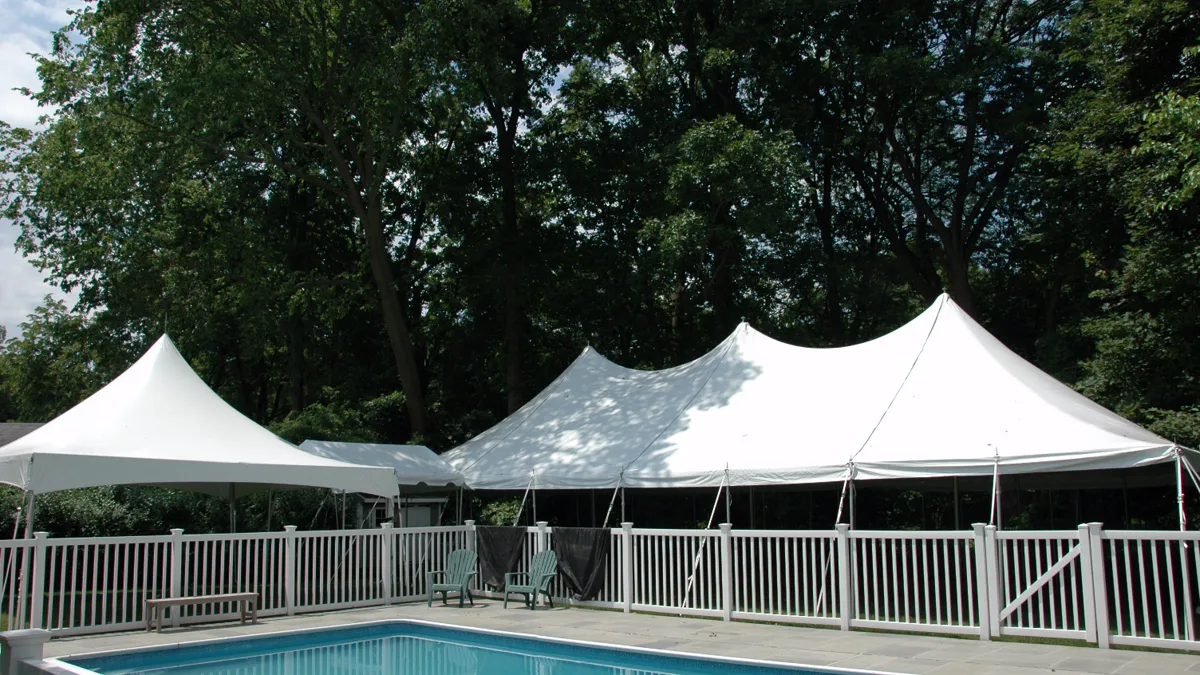
- Rentals: Pop-up canopy tents, banquet folding tables, folding chairs ($250 to $450).
- Décor: Custom outdoor vinyl banner, floral centerpieces, personalized guestbook ($150 to $250).
- Full-Service Catered Event ($3,000 to $6,000+ for 150+ guests):
- Venue: Private event space, botanical garden terrace, or country club ballroom.
- Catering: Staffed buffet or food truck rental with on-site preparation, professional bartending service.
- Entertainment: Professional photo booth rental, acoustic guitarist or DJ sound system.

When should families send invitations and how should open house hours be listed?
Families should mail physical graduation invitations four to six weeks in advance, particularly if out-of-town grandparents and relatives must make flight or hotel arrangements. Because commencement dates are published on school calendars months ahead of time, sending save-the-date digital notices in early spring prevents calendar conflicts with neighboring families.
Clear invitation wording clarifies the informal nature of open house hospitality. Invitations should explicitly state the beginning and ending times so guests understand they are free to drop in casually. If the event features an open house format, include phrasing such as:
"Please join us in celebrating [Graduate Full Name], Class of 2026! An open house reception will be held on Saturday, June 13th, from 1:00 PM to 5:00 PM at [Address]. Drop by anytime for food, refreshments, and celebration. Casual attire. RSVP by May 28th via text or digital link."
Address gift etiquette gracefully. While guests customarily bring graduation cards containing cash or checks, invitations should never mention monetary gifts directly. Adding a discrete note such as "Your presence is the greatest gift" or linking a college registry website on an accompanying digital RSVP page keeps communication polite and dignified.
What interactive displays and memory stations celebrate graduate achievements?
Interactive displays celebrate graduate achievements by engaging guests in nostalgic storytelling and providing heartfelt opportunities to leave words of wisdom. A graduation party should reflect the unique personality, passions, and future trajectory of the individual graduate rather than feeling like a generic celebration.
Popular memory stations and interactive decorating concepts include:
- K-12 Photo Timeline: String miniature fairy lights along a backyard fence or hallway wall, using small wooden clothespins to display student school portraits from kindergarten through twelfth grade side by side.
- Advice and Wishes Keepsake Jar: Place blank cardstock cards and fine-point markers beside a decorative glass container, inviting guests to write pieces of practical advice or encouraging notes for the graduate’s upcoming college semester or career journey.
- High School Memorabilia Shadow Box: Set up a dedicated display table featuring varsity athletic jackets, drama playbills, academic certificates, marching band instruments, or high school art portfolios.
- College / Career Announcement Table: Decorate the refreshment or gift table using the official collegiate colors, banner flags, or mascots of the university, trade academy, or military branch the graduate will enter in the autumn.
Asked at the planning meeting
How much food should you prepare for an open house party?
Plan for 1.5 servings per guest for core proteins and 2 to 3 appetizer pieces per hour. Because guests arrive at staggered times during an open house, food consumption is lower than at formal seated dinners.
How long should a graduation open house last?
A standard graduation open house should last between three and four hours. A window such as 1:00 PM to 5:00 PM provides guests ample flexibility to attend multiple parties without exhausting the host family.
What can you serve instead of a large graduation cake?
Excellent alternatives to sheet cakes include tiered cupcake displays, warm gourmet cookie bars, churro stations, or ice cream sundae bars, which eliminate the need for cake cutting and extra plates.
What should hosts do if it rains on a backyard party?
Rent or borrow pop-up canopy tents with sidewalls and prepare an indoor backup plan inside the garage or living room. Setting up tables along perimeter patios keeps guests protected from light summer showers.
Are graduation party invitations required for teachers?
Yes. Sending handwritten invitations to influential high school teachers, guidance counselors, and athletic coaches is a meaningful gesture that honors educators who supported the student’s journey.
How we researched this: Our editorial team reviewed culinary catering guidelines, food safety standards from the USDA, and family event planning debriefs to establish practical graduation party menus, budget ranges, and open house timelines.
Sources: USDA Food Safety and Inspection Service Guidelines; Event Catering Management Handbooks; High School Parent-Teacher Association Graduation Resources.