
Plan in a minute Successful Christmas spirit week ideas balance holiday cheer with cultural inclusivity, giving every student fun ways to participate without buying expensive outfits. Popular five-day schedules feature Pajama Monday, Festive Flannel Tuesday, Winter Character Wednesday, Holiday Accessory Thursday, and Ugly Sweater Friday alongside low-cost lunchtime games and charity food drives.
The final weeks of the fall semester bring intense academic pressure as high school and college students prepare for midterm exams and cumulative projects. Organizing a December spirit week gives campus communities a welcome emotional lift before winter break. For student council officers, activities directors, and faculty advisors, crafting an engaging December spirit calendar requires balancing festive traditions with inclusive themes that respect diverse student backgrounds.
While many students eagerly anticipate traditional holiday festivities, campus leaders must ensure dress-up days do not isolate classmates who observe different cultural traditions or whose families experience financial constraints. The most effective winter spirit weeks focus on accessibility, using clothing items students already own, such as flannel shirts, mismatched socks, or winter beanies, rather than requiring store-bought costumes.
This comprehensive planning guide delivers a complete five-day schedule of Christmas spirit week ideas, practical classroom competition frameworks, lunchtime assembly games, and a three-week logistics checklist designed to maximize campus participation while keeping organizing costs near zero. Campus advisors frequently asked how student leaders can spread festive christmas spirit while keeping all activities welcoming to every student.

Five-day Christmas spirit week ideas and schedule
A structured five-day spirit schedule provides consistent daily excitement while preventing costume fatigue. By starting the week with comfortable, low-effort attire and building toward high-energy dress-up themes on Friday, student organizers maintain strong participation rates across all grade levels. Each day pairs a dress-up concept with a quick lunchtime social activity that connects students outside the classroom.
When publicizing the schedule, student councils should publish attire guidelines at least two weeks in advance. Clear guidelines help students plan outfits using wardrobe items they already own or can easily borrow from siblings. For additional inspiration on organizing campus traditions throughout the academic calendar, review our foundational guide to spirit week ideas for student organizers.
| Day of the Week | Spirit Theme | Low-Cost Attire Suggestions | Midday Activity | Inclusivity Focus |
|---|---|---|---|---|
| Monday | Cozy Cabin Pajama Day | Flannel pants, cozy sweatpants, slippers, oversized hoodies | Hot cocoa bar in cafeteria | Universal; requires no holiday affiliation |
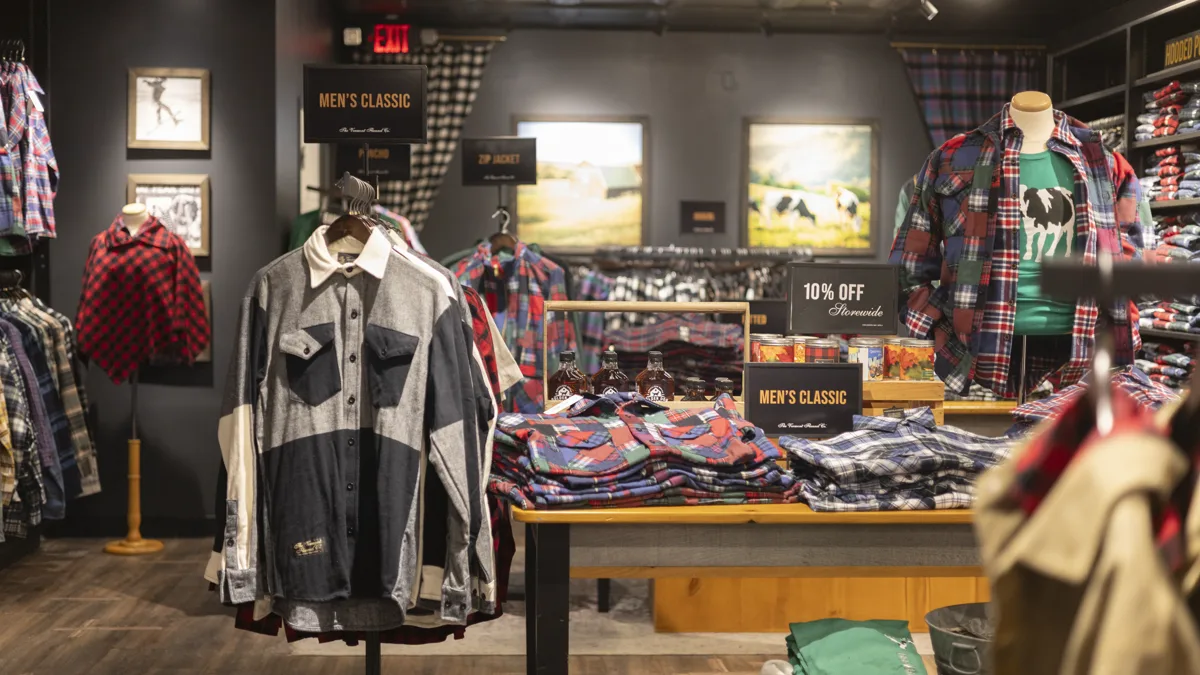
| Tuesday | Festive Flannel & Plaid Day | Plaid button-downs, buffalo check shirts, flannel scarves | Holiday card writing station | Winter seasonal fashion found in most closets |
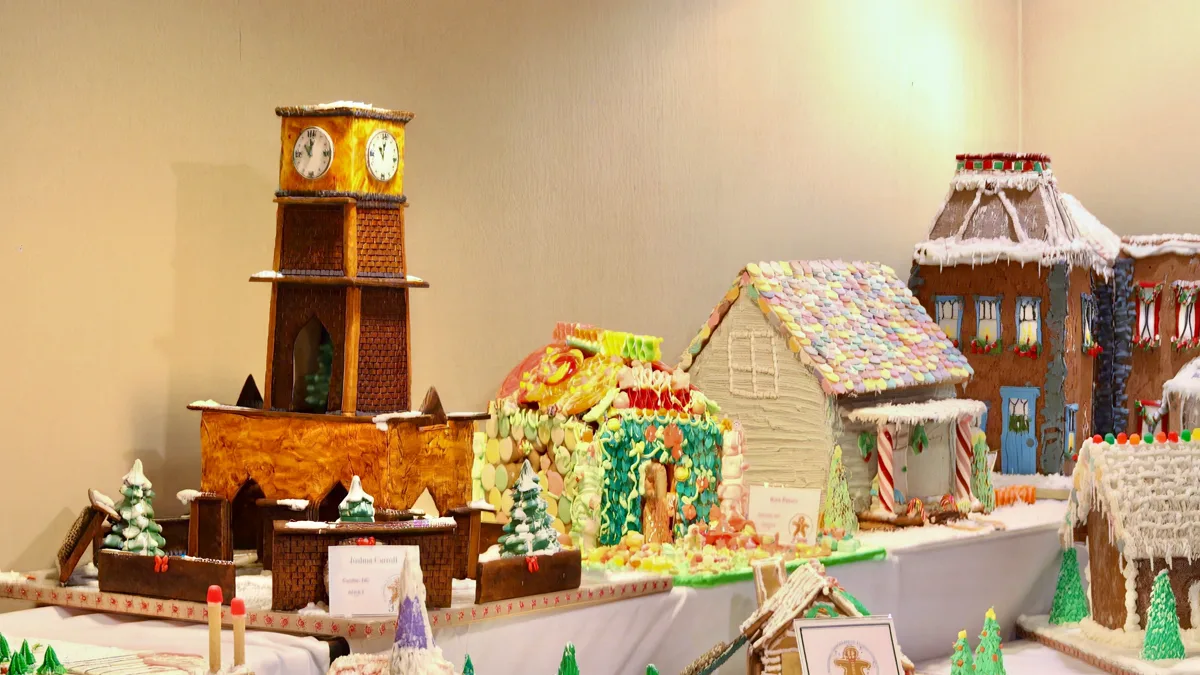
| Wednesday | Winter Character Day | Frosty, Grinch green, reindeer antlers, polar bear white | Gingerbread house contest | Blends storybook and winter nature themes |
| Thursday | Holiday Headwear & Socks | Santa hats, winter beanies, fuzzy socks, glitter headbands | Holiday movie trivia contest | Accessible accessorizing without full outfits |
| Friday | Ugly Sweater Showdown | DIY embellished sweaters, vintage holiday knits, bright cardigans | All-school spirit assembly & runway walk | Humorous DIY focus where tacky creativity wins |
This sequence creates a balanced rhythm. Monday eases students into the week following weekend study sessions. Tuesday highlights classic winter textures. Wednesday introduces creative character elements. Thursday allows students who prefer subtle participation to wear a festive hat or novelty socks. Friday culminates in the classic ugly sweater competition, delivering high visual energy for end-of-week pep assemblies.
How can councils keep holiday spirit themes culturally inclusive?
Councils keep holiday spirit themes culturally inclusive by choosing secular winter motifs, avoiding faith-specific costume mandates, and surveying student advisory representatives before finalizing the schedule. Campus populations encompass students observing Christmas, Hanukkah, Kwanzaa, Winter Solstice, or no religious traditions at all. Emphasizing seasonal winter experiences ensures all students feel represented and valued.
Inclusivity also requires financial sensitivity. Requiring students to purchase specific licensed merchandise or elaborate costumes places unfair pressure on families during an already expensive season. Student councils should explicitly promote do-it-yourself (DIY) alternatives, such as pinning paper snowflakes or tinsel to a plain sweatshirt, showing that ingenuity matters far more than store-bought clothing.
Key strategies for inclusive December planning include:
- Neutral Theme Naming: Title the event "Winter Spirit Week" or "December Spirit Days" in official announcements, welcoming Christmas traditions alongside general winter celebrations.
- Secular Dress Options: Offer parallel participation choices, such as wearing icy blue and silver for a "Winter Wonderland" option on days featuring holiday colors.
- Zero Mandatory Spending: Prohibit dress themes that require purchasing branded merchandise, professional costumes, or costly accessories.
- Dietary Accommodations: When serving treats like hot chocolate or cookies, provide dairy-free and gluten-free alternatives clearly labeled for students with food sensitivities.
Consulting with class officers and cultural club leaders during early committee meetings ensures theme wording avoids unintended cultural blind spots. You can explore additional seasonal event frameworks in our collection of spirit week guides.
What classroom and hallway competitions drive student engagement?
Classroom and hallway competitions drive engagement by fostering teamwork during homeroom or advisory periods without disrupting instructional time. While individual dress-up days reward individual participation, collaborative group contests motivate entire classes to work together toward a shared creative goal.
The most popular December classroom competition is the holiday door decorating contest. Each advisory class receives butcher paper, masking tape, and basic craft supplies to transform their classroom door into a winter scene. Student council officers establish clear contest parameters, including fire safety clearances around door handles and windows, and recruit non-homeroom faculty members to serve as impartial judges.
High-engagement classroom contests include:
- Holiday Door Decorating: Homerooms compete across categories such as Most Creative, Best Winter Theme, and Best Use of Recycled Materials.
- Gingerbread Architecture Challenge: Advisory teams receive graham crackers, royal icing, and assorted candies to construct free-standing holiday structures during a single 30-minute lunch period.
- Holiday Desk Vignettes: In high school and college offices or common rooms, student organizations create miniature desktop winter displays using repurposed papercraft and fairy lights.
- Class Spirit Thermometer: Homeroom teachers record daily dress-up participation percentages on hallway charts, awarding spirit points toward semester class cups.
Which lunchtime games work best for winter spirit assemblies?
The best lunchtime games for winter spirit assemblies are fast-paced relay challenges that require minimal equipment, produce immediate visual humor, and involve both students and faculty members. Assembly programming should avoid complex rules, focusing instead on short three-minute games that keep gym crowds actively cheering.
One classic favorite is the "Snowman Wrap Relay." Teams consisting of two students and one willing teacher race to wrap the teacher from shoulders to ankles in white toilet paper, topping off the creation with a winter scarf and paper top hat within a two-minute countdown. The visual spectacle of faculty members standing immobilized as human snowmen consistently generates enthusiastic audience applause.
Other proven assembly games include:
- Candy Cane Relay: Contestants hold a candy cane in their teeth and attempt to hook and transfer small plastic ornaments along a line of teammates without using hands.
- Oven Mitt Unwrap: Participants wear thick winter ski gloves or oven mitts while trying to unwrap multiple layers of holiday wrapping paper from a small gift box.
- Winter Music Freeze Dance: A student DJ plays upbeat seasonal tracks while dozens of student participants dance, freezing instantly whenever the audio cuts out.
- Faculty Ugly Sweater Runway: Teachers parade across the gym floor in outrageous holiday sweaters while student decibel meters determine the winning faculty member.
What planning checklist should student councils follow?
Student councils should follow a three-week planning checklist to secure administrative approvals, distribute marketing flyers, and organize lunchtime supplies before the busy final exam period. Waiting until December to start planning frequently results in venue scheduling conflicts and rushed promotional campaigns.
Adhering to this structured timeline ensures smooth coordination across campus departments:
- Three Weeks Out (Late November):
- Present the five-day theme schedule to the school principal or activities director for dress code sign-off.
- Reserve the gymnasium or student union cafeteria for lunchtime activities and assemblies.
- Meet with the head custodian to review facility cleanup plans, trash bin placement, and table setups.
- Two Weeks Out (Early December):
- Design and print colorful hallway flyers detailing daily themes and inclusivity reminders.
- Distribute daily dress-up guidelines to homeroom teachers and publish announcements on digital school monitors.
- Purchase bulk craft materials for door decorating kits, including butcher paper, blue painter tape, and construction paper.
- One Week Out:
- Deliver door decorating supplies and judging rubrics to all participating advisory classrooms.
- Confirm sound system equipment, microphone batteries, and music playlists with the student council tech committee.
- Announce the spirit week schedule during morning PA announcements and post daily reminders on class social feeds.
- Week of the Event:
- Host daily lunchtime games and maintain real-time homeroom participation scoreboards.
- Photograph classroom doors and assemble student photo displays in the main administrative hallway.
- Tally final class spirit points on Friday afternoon and announce winning homerooms before dismissal.
How can councils incorporate community giving into spirit week?
Councils incorporate community giving by pairing daily spirit themes with charitable donation drives supporting local food pantries, animal shelters, or children’s hospitals. Integrating philanthropy into spirit week reinforces the true spirit of the season, shifting the focus from personal costumes to community care.
To maximize student participation, structure donations around themed daily collections. For example, during Cozy Cabin Pajama Day, ask students to donate new pairs of warm winter socks or mittens. During Festive Flannel Tuesday, collect canned soups, stew, and shelf-stable pantry items for community food distribution centers.
Creating friendly class competitions significantly boosts donation volumes. Student councils can assign each graduating class a designated donation bin in the main atrium, awarding bonus spirit points for every non-perishable item or new unwrapped toy contributed. Announcing running donation totals during morning announcements builds momentum throughout the week, reminding students that collective efforts can make a measurable difference for local families during the winter holidays.
Asked at the planning meeting
When should student councils host winter spirit week?
Most high schools host winter spirit week during the final full week of classes in December, immediately preceding winter break. Scheduling spirit days before final exam testing ensures students enjoy festive celebrations without compromising study schedules.
How can small schools manage spirit week on a limited budget?
Small schools keep costs minimal by selecting themes that rely on everyday clothing like flannel shirts and hoodies, using school butcher paper for contests, and organizing free assembly games like trivia or relays that require zero rental equipment.
Are pajamas appropriate for high school dress codes?
Yes, provided students follow school handbook guidelines. Councils should explicitly communicate that sleepwear must meet standard length rules, avoid thin or sheer fabrics, and require proper shoes or rubber-soled slippers for hallway safety.
How do councils judge door decorating competitions fairly?
Councils ensure fairness by creating a standardized rubric evaluating creativity, student involvement percentage, and theme execution. Inviting office staff, counselors, or facilities team members to judge prevents claims of student bias.
What are good alternatives to ugly Christmas sweaters?
Excellent low-cost alternatives include Festive Flannel Friday, Winter Wonderland Whiteout, or Winter Accessory Day, allowing students to participate using simple scarves, beanies, or DIY paper snowflake pins without buying specialty sweaters.
How we researched this: Our editorial team reviewed campus activities guidelines, student council feedback surveys, and district event planning manuals to assemble inclusive, practical winter spirit week themes and logistics frameworks.
Sources: National Association of Student Councils (NASC) Activities Handbook; High School Student Activities Association Resource Guides; Inclusive Campus Programming Guidelines.