Plan in a minute Choosing creative winter formal themes requires comparing décor costs, evaluating gym transformation options, and promoting an inclusive atmosphere where students feel welcome attending solo or in friendship groups. Popular concepts like Arctic Aurora and Midnight Masquerade combine low-cost LED uplighting with fabric draping to create memorable formal events on realistic class budgets.
Winter formal marks a major highlight of the winter semester, providing high school and college students with a festive social evening between fall homecoming and spring prom. For student council officers, social chairs, and faculty advisors, organizing a successful winter dance requires balancing ambitious creative vision with rigid venue rules and strict budget ceilings.
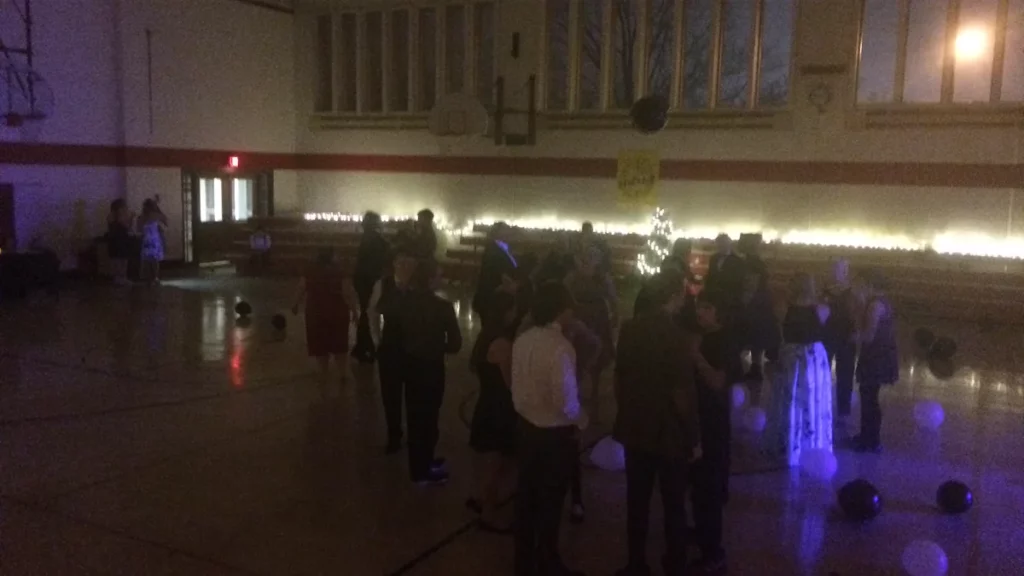
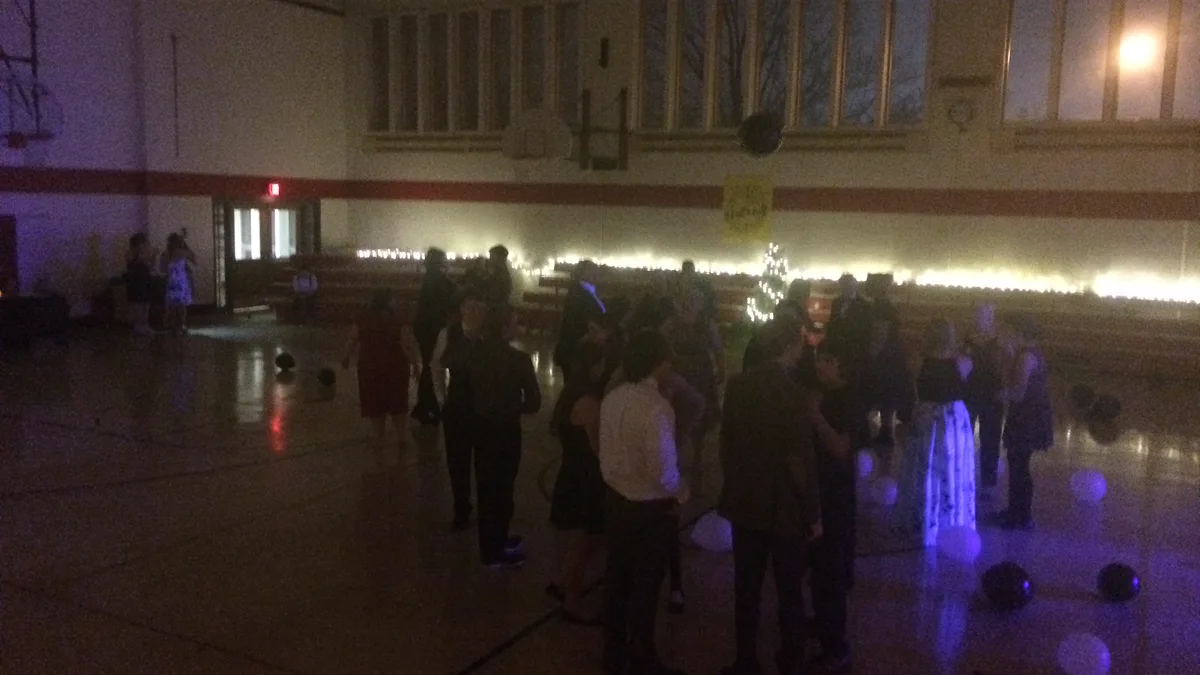
Unlike spring prom, which frequently takes place in expensive off-campus hotel ballrooms, winter formals are traditionally hosted inside school gymnasiums or local civic centers. Transforming a concrete athletic arena into a magical evening celebration demands smart decorating strategies. Committees must focus their spending where it produces the greatest visual impact: immersive ambient lighting, focal photo opportunities, and clean perimeter draping that conceals bleachers and sports equipment.
This planning guide compares five standout winter formal themes across realistic décor budget tiers ranging from $250 to $1,800. You will discover practical methods for gym acoustic control, a six-month administrative timeline for vendor contracts, and proven communication strategies that foster an inclusive, welcoming culture across all grade levels.
What makes an engaging winter formal theme?
An engaging winter formal theme provides an immediate visual identity that influences ticket design, lighting palettes, photo backdrops, and student attire. The best themes rely on color contrast and atmospheric lighting rather than expensive commercial props. A strong concept allows the decorating committee to transform everyday campus venues while remaining affordable for the class treasury.
When selecting a dance theme, student council committees should avoid concepts that feel overly narrow or difficult to coordinate. A theme that requires specific, expensive clothing creates unnecessary stress for families. Instead, versatile concepts built around metallic accents, winter botanical elements, or dramatic lighting allow students to wear semi-formal suits, cocktail dresses, or cultural attire they already own.
Effective themes also connect seamlessly with surrounding campus celebrations. Councils often coordinate theme announcements during winter spirit rallies to build anticipation across class meetings. For creative ideas on generating momentum before dance ticket sales launch, explore our comprehensive guide to spirit week ideas for student organizers.
Comparing popular winter formal themes and decoration costs
Evaluating winter formal themes side by side helps class treasurers make informed purchasing decisions before committing funds. Different aesthetic directions carry drastically different material requirements, rental expenses, and setup hours. The comparison table below highlights five popular themes, detailing core color palettes, expected décor investments, and primary visual focal points for standard gym venues.
| Dance Theme | Color Palette | Estimated Décor Budget | Core Visual Focal Point | Setup Complexity |
|---|---|---|---|---|
| Classic Winter Wonderland | Ice blue, silver, crisp white | $350 to $650 | Fairy light ceiling canopy, flocked branch centerpieces | Moderate (3 to 4 hours) |
| Arctic Aurora Borealis | Emerald green, deep violet, midnight navy | $500 to $900 | Dynamic RGB wall uplighting, sheer iridescent drapery | Moderate (lighting focus) |
| Midnight Masquerade | Black, burnished gold, crimson | $400 to $750 | Ornate entrance arch, candlelit photo vignettes | Low to Moderate (2 to 3 hours) |
| Enchanted Frozen Forest | Frosted evergreen, warm amber, champagne | $600 to $1,100 | Repurposed lighted evergreen trees, wood slice accents | High (heavy prop placement) |
| Starlit City Skyline | Matte black, bright white, metallic gold | $800 to $1,800 | Backlit skyline silhouette flats, balloon drop net | High (structural panels) |
Among these concepts, the Arctic Aurora Borealis theme offers outstanding value for high school gymnasiums. Because the visual impact relies on colored LED uplighting reflected off sheer organza fabric, setup crews can cover massive wall sections quickly without building heavy wooden props. In contrast, Starlit City Skyline requires cutting and painting modular cardboard skyline panels, which demands significantly more workshop labor and storage space leading up to event night.
How can committees design an inclusive school dance?
Committees design inclusive school dances by actively removing couple-centric language from posters, introducing friendship ticket bundles, and providing social seating away from the loud dance floor. Modern student councils recognize that promoting winter formal as a date event alienates large portions of the student body. Positioning the dance as a celebration of friendship and class unity substantially raises overall ticket sales.
As student leaders frequently note in high school forum discussions on r/highschool, peer pressure around asking dates is the single biggest barrier to dance attendance. When marketing materials display groups of friends taking goofy photo booth pictures rather than formal romantic couples, underclassmen feel far more comfortable attending. Offering small discounts on four-ticket "Friend Packs" encourages students to plan group dinners and attend together.
Physical accessibility and sensory comfort also require deliberate planning:
- Low-Sensory Lounge: Set up a quiet café space in the adjoining cafeteria or lobby with warm ambient light, background acoustics, and board games for students who need a break from loud speakers.
- Financial Assistance Discretion: Establish a confidential ticket subsidy program through guidance counselors so ticket prices never prevent a student from attending.
- Affordable Refreshments: Provide complimentary cold water stations and light snacks rather than charging students for individual bottles of water.
- Coat Check Organization: In colder climates, run a staffed, numbered coat check in the front lobby so students do not have to carry heavy winter jackets across the dance floor.
How can councils transform a school gymnasium into an elegant ballroom?
Transforming a school gymnasium requires turning off harsh overhead mercury-vapor lighting, draping dark blackout fabric over folded bleachers, and utilizing floor-based LED uplights. Cinderblock walls and basketball scoreboards instantly remind attendees of gym class unless disguised. Strategic lighting and fabric placement completely reshape the venue acoustics and visual warmth.
Begin by addressing the ceiling and upper walls. Installing a central fairy light curtain or crisscrossing warm-white LED string lights across the center rafters draws the eyes upward and creates an intimate ceiling canopy. Many student councils construct free-standing pipe-and-drape frames around the perimeter of the dance floor. Draping flame-retardant navy or black fabric along the perimeter absorbs echoing sound waves, making music lyrics much clearer and reducing audio fatigue.
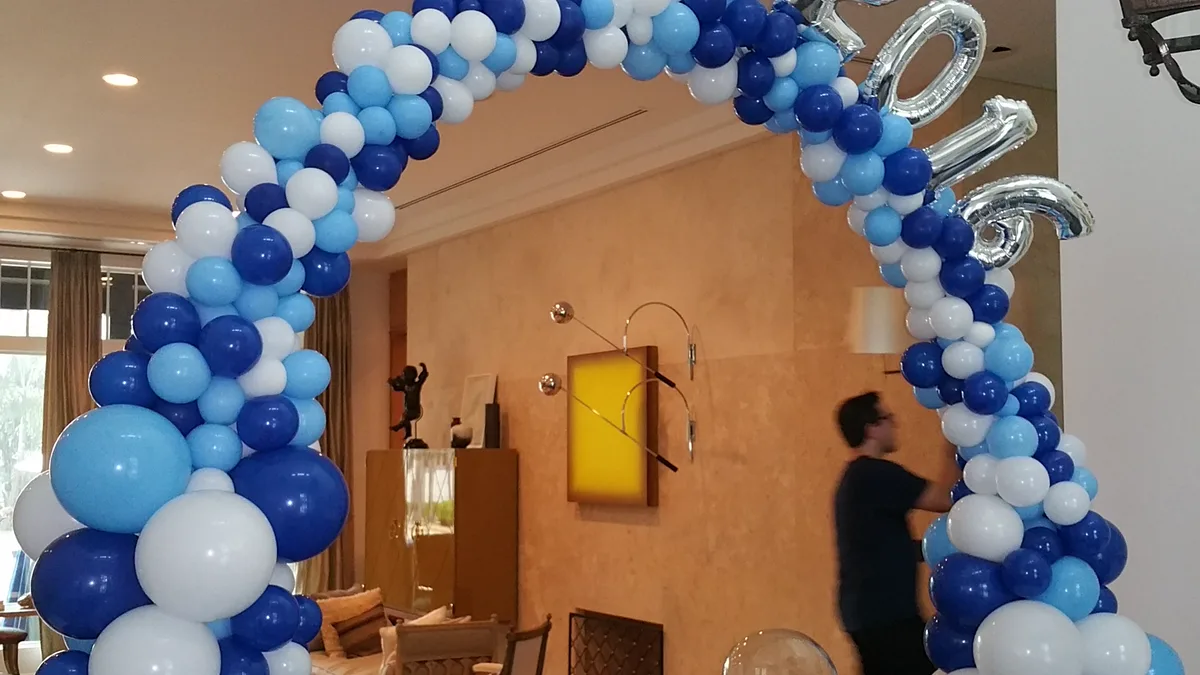
Entrance decor sets the initial emotional tone as students arrive. Building an organic balloon arch using white, silver, and metallic latex balloons frames the main doorway and provides an instant photo opportunity before students even enter the main hall. Free-standing arches require no wall tape or ceiling anchors, protecting school property and eliminating custodial damage fees. You can find more venue layout ideas in our dance planning guides.
What timeline should student councils follow for venue and vendor approvals?
Student councils should begin winter formal planning four to six months in advance to navigate school district vendor approvals and secure experienced disc jockeys. Professional event vendors book holiday and winter dates rapidly. In addition, district business offices typically require four to six weeks to review commercial liability insurance certificates before contracts can be signed.
Follow this structured timeline to keep your committee on track:
- 16 Weeks Out (September): Reserve the venue date on the master school calendar. Draft the initial dance budget, outline theme ideas, and submit facility use requests to school administrators.
- 12 Weeks Out (October): Solicit quotes from licensed DJs, photo booth operators, and security staff. Verify that all prospective vendors carry standard $1,000,000 commercial liability coverage.
- 8 Weeks Out (November): Submit signed vendor agreements to the district purchasing office. Finalize theme decorations and place orders for bulk lighting, balloon kits, and flame-retardant drapery.
- 4 Weeks Out (December): Launch ticket sales through online portals and cafeteria cash tables. Release the approved music request form so students can submit song ideas for DJ screening.
- 2 Weeks Out (January): Confirm faculty chaperone schedules and custodial overtime hours. Meet with campus security officers to review check-in and perimeter monitoring plans.
- Week of the Event: Inventory all decoration boxes, test electrical outlets and extension cords, and complete the venue walkthrough with the head custodian.
How should committees manage ticket sales and student check-in logistics?
Managing ticket sales requires clear refund policies, digital QR code ticketing, and an organized security check-in line. Paper tickets are easily lost or duplicated, leading to disputes at the door. Utilizing digital ticketing platforms integrated with student ID numbers streamlines entry and provides advisors with real-time attendance headcounts.
On dance night, set up check-in tables split alphabetically by student last name. Every attendee must present their school ID card alongside their digital ticket confirmation. Position faculty chaperones and campus security guards at the main entrance to check small bags and verify student credentials. Establish a strict policy regarding guest passes: non-enrolled guests from neighboring schools must submit an administrator-signed guest contract at least one week prior to ticket purchase.
Once students enter the dance, maintain a strict "no re-entry" rule. If a student leaves the building for any reason, their ticket is marked void and they cannot return. This policy prevents students from loitering in dark parking lots and ensures adult chaperones maintain complete accountability over the event perimeter.
Gymnasium cleanup and custodial coordination
Post-event cleanup determines whether school administrators and facilities directors will approve dance permits for following years. While student councils often focus all their energy on event setup, leaving a messy gymnasium with loose balloons and spilled beverages creates severe friction with custodial teams. Establishing a dedicated breakdown crew ensures the venue is returned in pristine condition.
Divide the cleanup crew into three assigned teams before the dance even begins. Team One handles balloon deflation, using scissors to pop balloon arches and bag plastic scraps into heavy-duty trash liners. Team Two carefully unplugs, coils, and packs rented uplighting fixtures and extension cords back into vendor road cases. Team Three inspects the bleachers and floor perimeter, sweeping discarded drink cups and wiping down banquet tables with disinfectant spray.
Creating an unforgettable winter formal tradition
A well-planned winter formal leaves a lasting impression on campus culture and class unity. When student leaders prioritize smart décor investments, reliable vendor contracts, and inclusive attendance policies, the dance becomes an anticipated annual highlight rather than a stressful planning chore.
Class officers frequently asked whether guest permission forms require notarization; verifying local district rules with your advisor prevents last-minute check-in complications. By executing your theme with creativity and disciplined planning, your committee will deliver a festive, safe, and memorable celebration that students cherish throughout their high school years.
Asked at the planning meeting
What is the difference between homecoming and winter formal?
Homecoming takes place in early autumn and centers around school spirit, athletic games, and alumni traditions. Winter formal is held in January or February as an indoor semi-formal dance focused on class socializing and seasonal celebrations without sporting events.
What should students wear to a semi-formal winter dance?
Semi-formal dress codes typically suggest knee-length or midi cocktail dresses, dress slacks with button-down shirts and ties, blazers, or dressy pant suits. Floor-length evening gowns and formal tuxedos are generally reserved for spring prom.
How much should high schools charge for winter formal tickets?
Most high school councils set winter formal ticket prices between $15 and $30 per student, depending on venue costs and catering. Keeping ticket prices affordable ensures high attendance while generating sufficient revenue to cover DJ and lighting rentals.
Can students attend winter formal without a date?
Yes. The vast majority of modern high school and college attendees go to winter formal in groups of friends or individually. Student councils intentionally design photo booths and seating arrangements to welcome students attending solo.
How far in advance should student councils book a dance DJ?
Councils should book a professional dance DJ at least three to four months in advance. Winter weekend dates fill up quickly, and school district purchasing departments require several weeks to approve vendor contracts and insurance certificates.
How we researched this: Our editorial team analyzed high school dance budgets, event vendor pricing guides, and student council debrief surveys to compile realistic décor cost estimates and venue management frameworks.
Sources: National Association of Student Councils (NASC) Event Guidelines; High School Event Risk Management Procedures; r/highschool Student Forum Debriefs.