Plan in a minute Thoughtful senior night ideas celebrate graduating athletes and performers with meaningful recognition, structured parent walks, and personalized keepsakes. Successful programs coordinate athletic ceremonies, drama curtain calls, and senior sunset gatherings using customized announcer scripts, photo vinyl banners, and commemorative bouquets while adhering to school district administrative guidelines.
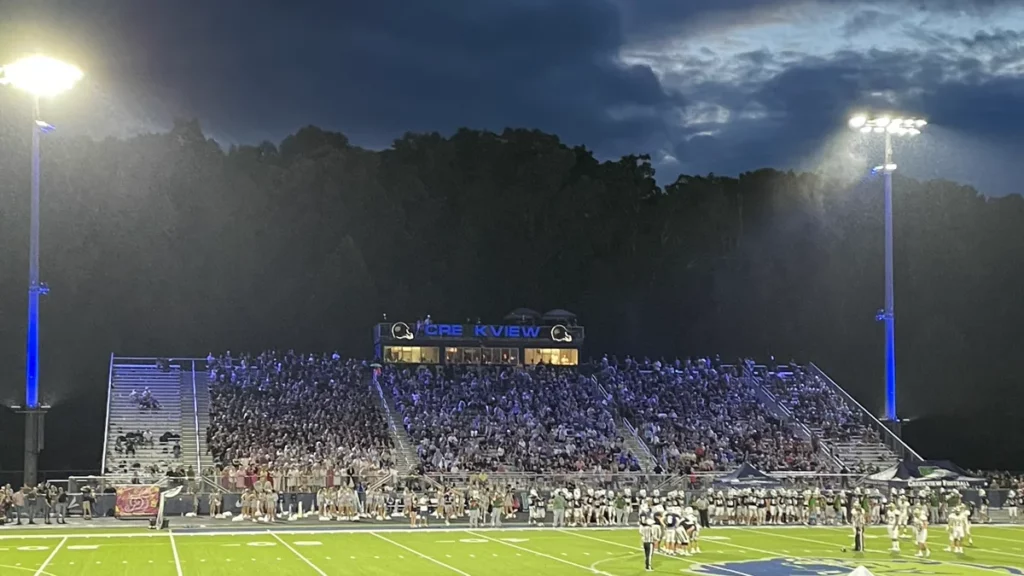
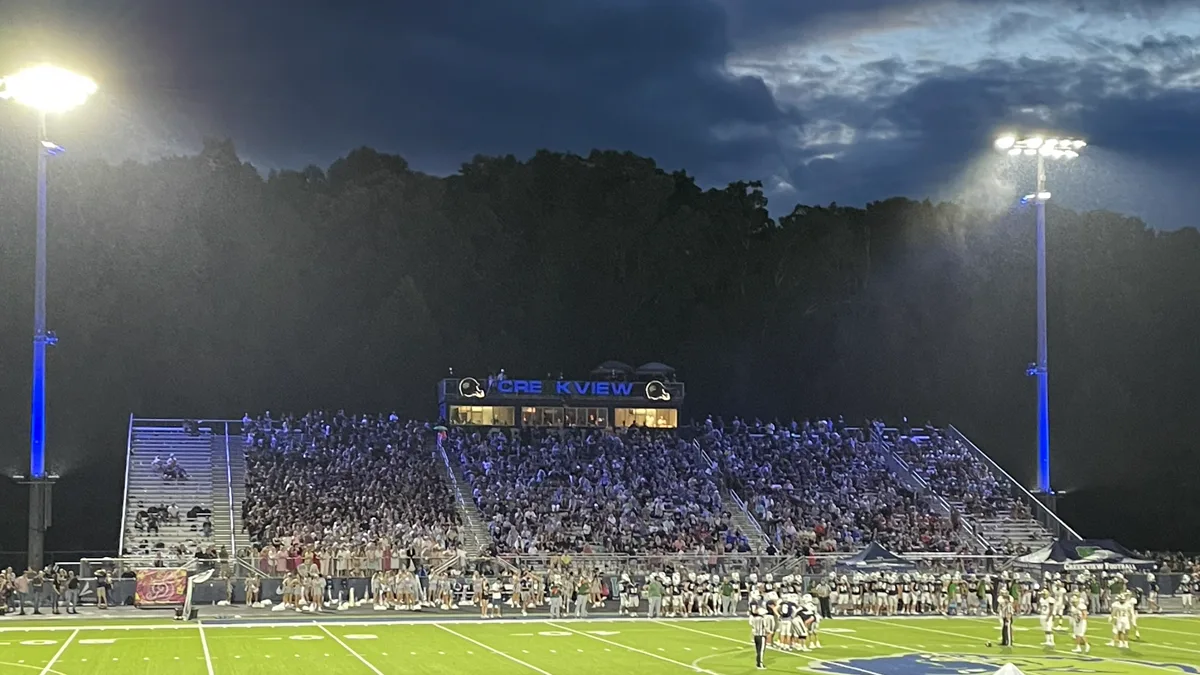
Senior night stands as one of the most emotional traditions on the high school calendar. For graduating seniors, their families, and team coaches, this milestone celebration honors years of dedicated practice, team camaraderie, and school pride. Whether hosted on a lighted athletic field, an arena basketball court, or an auditorium stage, organizing a polished ceremony requires close coordination between booster clubs, student councils, and campus administration.
Parent volunteers and activities directors frequently asked how to balance heartfelt recognition with strict game schedules. Without clear timing protocols, ceremonies can delay opening kickoffs, violate league warm-up rules, or cause logistical friction with visiting teams. The most memorable events follow a structured sequence that highlights every participant equally while keeping ceremonies moving smoothly.
This planning guide answers the most pressing ceremony questions, compares recognition formats across sports and arts programs, provides fill-in-the-blank announcer scripts, and details organizing steps for senior sunset gatherings.
What are the essential senior night planning questions?
Successful senior night ideas begin by addressing core logistical questions weeks before the ceremony date. Athletic directors and booster organizers must resolve timing, funding, and participant eligibility before ordering vinyl banners or purchasing floral arrangements. Reviewing these fundamental questions prevents last-minute schedule conflicts during high-stakes league games.
Committees should start by asking the following key questions:
- When should the ceremony take place? Pre-game ceremonies generally work best for outdoor field sports like football, soccer, and lacrosse, taking place 20 to 30 minutes before official game time. Post-game ceremonies suit indoor sports like basketball and volleyball where visiting team locker room access must be protected.
- Who provides the event funding? Most high school athletic departments provide basic venue access and public address systems, while parent booster clubs fund senior gifts, flowers, and commemorative banners. Establish clear budget caps per student to ensure parity across all sports.
- How are non-traditional families supported? Ceremonies should warmly accommodate diverse family structures, welcoming step-parents, grandparents, older siblings, or faculty mentors as escorts so no student feels uncomfortable walking alone.
- How are visiting teams accommodated? Athletic directors must communicate ceremony timing to opposing coaches at least one week in advance, ensuring the visiting team receives adequate pre-game warm-up time without disruption.
For cross-campus inspiration on unifying senior milestones with broader leadership goals, explore our comprehensive guide to student council ideas for school organizers.
Which senior night ideas and formats offer the best value?
Senior recognition programs vary widely depending on the activity, squad size, and venue layout. An outdoor football ceremony involving sixty players, cheerleaders, and marching band members requires vastly different logistics than an intimate tennis or golf celebration. The comparison table below outlines typical formats, group sizes, average booster expenses, and signature ceremony elements.
| Activity Format | Typical Group Size | Optimal Ceremony Timing | Booster Cost per Senior | Core Ceremony Highlight |
|---|---|---|---|---|
| Field Sports (Football, Soccer, Track) | 15 to 45 seniors | Pre-game (25 minutes before kickoff) | $35 to $65 | Field walk through cheer tunnel; sideline vinyl banners |
| Court Sports (Basketball, Volleyball) | 4 to 12 seniors | Between JV and Varsity, or Post-game | $40 to $70 | Center-court spotlight introduction; framed jersey gift |
| Performing Arts (Marching Band, Drama) | 10 to 30 seniors | Halftime performance or curtain call | $25 to $50 | Solo musical showcase; director tribute speech |
| Senior Sunset Gathering | 50 to 300 seniors | May evening before final exams | $10 to $20 | Class picnic, acoustic music, open-mic memory sharing |
Among these options, field and court sports require early vendor coordination for custom photography. Many schools commission action-shot photo banners during early September so prints can hang along perimeter fences throughout the entire home schedule before being presented to families on ceremony night.
How should committees organize the parent escort ceremony?
Organizing a smooth parent escort ceremony requires precise staging, clear directional signage, and designated line-up coordinators. Emotional family moments can quickly become disorderly if participants do not know where to stand or which direction to walk across the playing field.
Follow these staging guidelines to ensure a dignified procession:
- Staging Area Check-In: Instruct seniors and their escorts to gather in an adjacent gymnasium, auxiliary room, or end zone 30 minutes prior to ceremony start. Give each family a numbered card corresponding to the announcer’s script reading order.
- Procession Pathway: Clearly mark the walking lane using cones or temporary stanchions. For football or soccer, seniors and escorts typically enter from the end zone and walk along the 50-yard line toward midfield.
- Center-Field Presentation: As the public address announcer reads each student’s biography, the senior and escorts pause at midfield, receive a flower or commemorative gift from the head coach, turn toward the home grandstand for a professional photograph, and exit toward the team bench.
- Time Budgeting: Limit each individual announcement to approximately 30 to 45 seconds. For a team with ten seniors, the entire on-field ceremony should conclude within eight to ten minutes.
How should announcers structure senior ceremony scripts?
A well-written announcer script ensures every senior receives equal, polished recognition over the stadium sound system. Public address scripts should highlight athletic achievements, favorite memories, and future educational aspirations while avoiding overly personal inside jokes that confuse the general audience.
Booster committees should collect student biography questionnaires two weeks prior to the event. A standard biographical form asks for phonetic name pronunciations, escort names, total seasons played, academic honors, team leadership roles, and future college or career plans.
Below is a proven announcer script template suitable for any high school program:
"Our next graduating senior is Number 12, [Student Full Name]. Escorted this evening by [Escort Names and Relationship]. [Student Name] has been a four-year varsity letter winner and serves as this year’s team co-captain. Their favorite athletic memory was scoring the winning goal in last year’s regional tournament. Off the field, [Student Name] is a member of the National Honor Society and plans to attend [College Name or Career Path] next fall to study mechanical engineering. The coaching staff and athletic department thank [Student Name] and family for four outstanding years of dedication. Let’s hear it for Number 12, [Student Full Name]!"
Provide the stadium announcer with double-spaced, 14-point printed scripts with phonetic pronunciations clearly underlined. Having the head coach review the script before game night ensures all player statistics and titles are accurate.
How do councils plan an unforgettable senior sunset gathering?
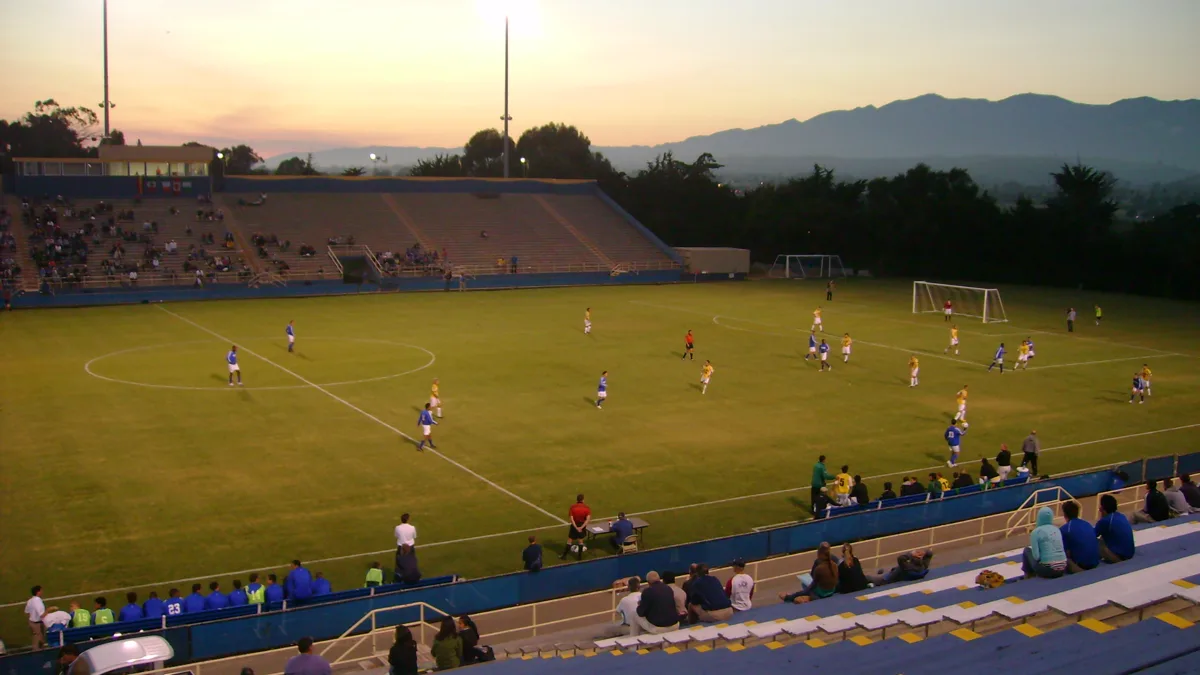
The senior sunset tradition has become a beloved bookend to senior year, serving as a symbolic counterpoint to the senior sunrise held on the first day of twelfth grade. Organized by the senior class council or student government, this evening gathering brings the entire graduating class together on the campus stadium bleachers or athletic lawn to watch the sunset during their final week of high school.
Planning an authorized senior sunset event requires thorough administrative and safety preparation:
- School Permits and Supervision: Submit an official campus facility request at least four weeks in advance. Coordinate with the assistant principal to confirm mandatory faculty chaperone ratios and campus security presence.
- Acoustic Atmosphere: Set up a portable sound system playing student-curated, school-appropriate playlists. Many classes feature an open-mic segment where graduating seniors share short memories or perform acoustic musical tributes.
- Refreshments and Picnic Seating: Encourage students to bring lawn blankets and hoodies. The class council can arrange local food trucks or provide sheet cakes, cider, and lemonade to keep organizing costs manageable.
- Time Capsule or Letter Exchange: Pair the sunset viewing with a nostalgic activity, such as distributing letters students wrote to themselves during freshman orientation or sealing a class time capsule to be opened at their ten-year reunion.
You can discover additional end-of-year planning frameworks in our dedicated collection of prom and senior events.
Which keepsakes and decorations best commemorate senior achievements?
Personalized keepsakes give seniors and their families lasting physical reminders of their high school careers. Booster clubs should focus their resources on durable, display-ready items that honor the student’s individual contribution to the program.
Popular senior night keepsakes and decorating ideas include:
- Outdoor Vinyl Banners: Full-color 2×3 foot vinyl banners featuring individual senior portraits, team numbers, and school logos. Hang these along the stadium concourse or gym entrance before gifting them to families at the end of the season.
- Floral Bouquets and Boutonnieres: Traditional single long-stem roses or small floral arrangements presented to parent escorts during the on-field walk. Wrap stems in school-colored ribbons for a cohesive aesthetic.
- Framed Commemorative Jerseys: For programs with sufficient booster funding, shadow-box framed uniforms or autographed game balls serve as premier gifts for long-tenured athletes.
- Senior Memory Photo Boards: Set up collapsible poster boards in the venue lobby displaying childhood photos alongside current athletic action shots, providing nostalgic entertainment for visiting spectators before game time.
Asked at the planning meeting
What gifts are best for high school senior night?
Popular low-cost senior gifts include custom action-photo banners, personalized team warm-up blankets, framed team jerseys, and single long-stem roses for parent escorts. Keepsakes should celebrate student dedication without exceeding booster budgets.
Can students walk with non-parent escorts on senior night?
Yes. Schools encourage students to walk with whichever supportive adults have influenced their journey, including grandparents, older siblings, legal guardians, aunts, uncles, or favorite faculty mentors.
How long should a pre-game senior ceremony last?
A pre-game senior night ceremony should last between 10 and 15 minutes. Keeping announcements concise ensures the visiting team receives full warm-up time and the game begins on schedule.
What is a senior sunset event?
A senior sunset is an end-of-year gathering where graduating seniors assemble on campus athletic fields or bleachers to watch the sunset together, symbolizing the close of their high school careers.
How far in advance should booster clubs order banners?
Booster committees should schedule senior portrait photo shoots in early autumn and order custom vinyl banners at least four weeks before senior night to account for production and shipping.
How we researched this: Our editorial staff consulted athletic director handbooks, high school booster club operational guides, and campus activity surveys to compile standard ceremony protocols, announcer scripts, and budget guidelines.
Sources: National Federation of State High School Associations (NFHS) Game Management Rules; Interscholastic Athletic Administrators Association Guidelines; High School Booster Club Operations Manual.