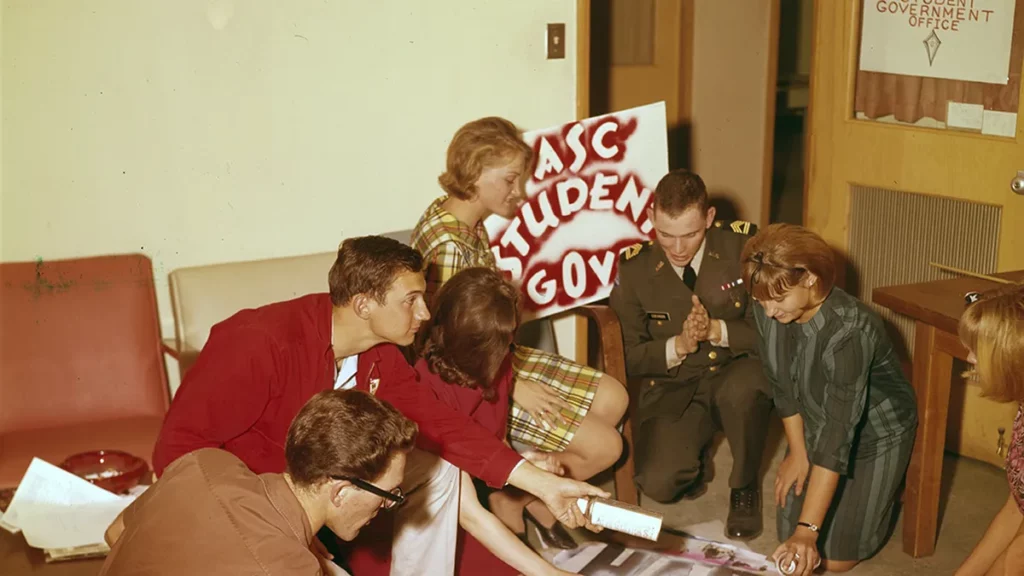
Plan in a minute Implementing effective student council ideas requires balancing school traditions with meaningful student advocacy across the academic year. By establishing a structured month-by-month project calendar, running organized 45-minute meetings with formal minutes, and executing policy-focused campaign platforms, elected officers build trust with peers and leave lasting campus improvements.
Stepping into student government leadership brings both high expectations and significant logistical responsibilities. Whether you are serving as student body president, class treasurer, or committee chair, leading a student council requires moving beyond party planning. Effective student governments bridge the gap between school administration, faculty advisors, and the student body while managing real budgets and public initiatives.
Too often, newly elected student councils begin the school year with immense enthusiasm, only to experience severe officer burnout by mid-winter. Without a systematic project schedule and clear meeting procedures, councils become overwhelmed by last-minute event logistics. Successful councils thrive because they treat their leadership term as a structured ten-month campaign, spacing major school-wide projects evenly across grading periods.
This playbook provides high school and college student leaders with actionable student council ideas designed to foster school spirit, expand community service, and build institutional credibility. You will find a month-by-month operational roadmap, proven election campaign strategies, and governance templates drawn from National Association of Student Councils standards.
What are the core responsibilities of a student council?
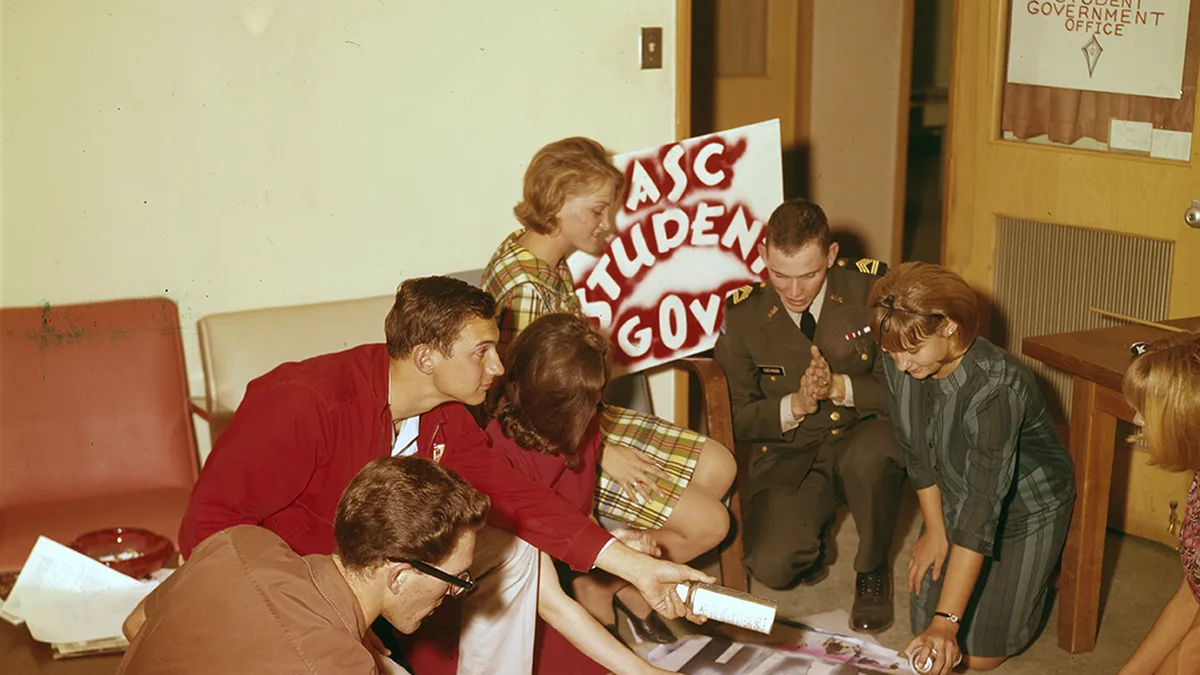
The primary responsibilities of a student council center on student advocacy, school spirit coordination, community service, and transparent fiscal stewardship. Elected officers represent student viewpoints during administrative policy discussions, manage sanctioned class activity accounts, and organize collaborative campus traditions. A healthy council balances fun social events with substantive campus improvements that support every student.
According to leadership benchmarks from the National Association of Student Councils (NASC), effective student councils function through four distinct pillars:
- Student Voice and Representation: Gathering constructive student feedback regarding campus facilities, cafeteria policies, and academic support, then presenting actionable solutions to school administrators.
- Campus Culture and Unity: Planning inclusive assemblies, pep rallies, and spirit weeks that welcome every grade level without financial or social barriers.
- Community Outreach and Civic Service: Coordinating charity food drives, environmental cleanups, and service projects that connect the student body with local civic organizations.
- Financial Accountability: Tracking club allocations, recording event expenses with itemized receipts, and maintaining balanced ledgers alongside faculty advisors.
When student councils neglect advocacy to focus solely on dances, they lose credibility with their peers. Maintaining regular communication with school principals and department heads ensures that student leaders have a seat at the table when schoolwide rules and schedules are evaluated.
Month-by-month student council project calendar
Pacing council activities across the ten-month academic calendar prevents planning bottlenecks and keeps the student body engaged all year. Rather than scrambling from one event to the next, experienced student governments assign specific seasonal priorities to each quarter. The master calendar below outlines key milestones from late-summer orientation through spring leadership elections.
| Month | Quarter | Primary Focus | Core Council Project | Administrative Milestone |
|---|---|---|---|---|
| August | Q1 | Welcome and Orientation | Freshman orientation tours and welcome back assembly | Finalize annual budget with faculty advisor |
| September | Q1 | Spirit and Traditions | Homecoming parade floats, hallway decorations, spirit days | Submit all fall event permit applications |
| October | Q1 | Civic Awareness | Red Ribbon Week prevention activities and charity food drive | Conduct quarterly financial audit with treasurer |
| November | Q2 | Gratitude and Service | Staff appreciation notes and community Thanksgiving drive | Mid-term committee progress reviews |
| December | Q2 | Winter Culture | Winter formal dance coordination and charity toy drive | Review fall semester feedback surveys |
| January | Q3 | Academic Re-engagement | Midyear goal reset, study sessions, mental health week | Form spring election committee |
| February | Q3 | Kindness and Inclusion | Kindness week sticky-note campaign and club showcase | Open budget requests for spring banquets |
| March | Q3 | Spring Spirit | Spring pep rally, tournament brackets, class competitions | Publish officer election timeline and rules |
| April | Q4 | Elections and Transition | Student council campaign debates, candidate speeches, voting | Certify election results and seat new officers |
| May | Q4 | Recognition and Legacy | Senior farewell assembly, officer banquet, annual report | Hand over transition binders and historical files |
Following this structured schedule ensures that major events receive at least six weeks of lead planning. For detailed checklists on coordinating major fall rallies, explore our companion guide on spirit week ideas for student council advisors.
Creative student council ideas for campus culture
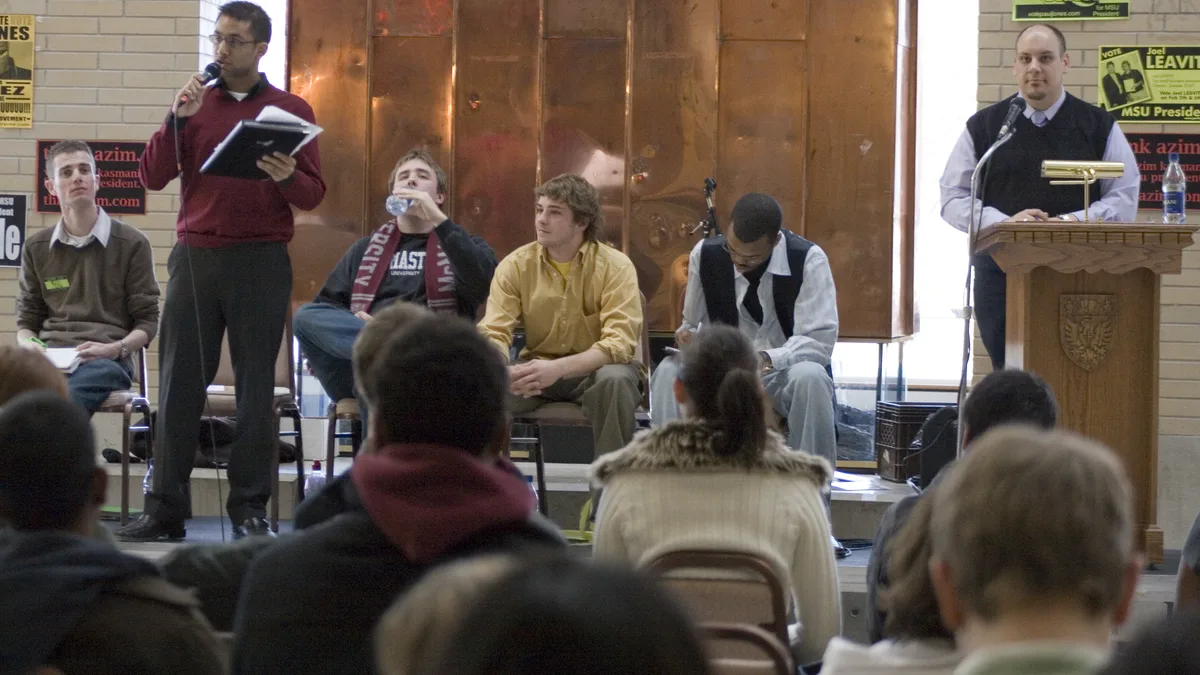
Creative council projects leave permanent improvements on school grounds and strengthen daily student life. While dances and theme days generate immediate energy, lasting student government initiatives often focus on campus environment, peer recognition, and practical student needs. Selecting projects with tangible outcomes builds long-term respect for the council.
One proven initiative is the Campus Charging and Study Hub. Student councils can allocate surplus funds or partner with parent-teacher booster organizations to purchase multi-device charging stations for the library or cafeteria. Installing secure charging lockers or charging strips in common study areas directly solves a daily student frustration without ongoing costs.
Another popular concept is the Kindness Post Wall and Peer Shout-Out Board. Designate a high-traffic hallway bulletin board where students can write anonymous positive notes to classmates, cafeteria staff, and custodians. Council officers rotate note cards weekly, ensuring the board stays clean, respectful, and encouraging. Adding an unannounced monthly breakfast cart for school maintenance staff demonstrates genuine community gratitude.
For outdoor campus spaces, student governments frequently spearhead Courtyard Beautification and Outdoor Seating projects. Adding all-weather picnic tables, student-painted murals, or native plant gardens transforms neglected concrete courtyards into welcoming lunch spots. Councils looking for additional group activity ideas can discover more inspiration in our Campus and Club Event guides.
How should candidates run an effective student council campaign?
Running an effective student council campaign requires a focused three-plank platform, bold professional poster designs, and an authentic presentation speech. Candidates who win student elections focus on realistic policy changes rather than impossible promises like shorter school days or free vending machines. Voters respond to peers who listen carefully to student concerns and explain practical steps for improvement.
As experienced student leaders emphasized in election strategy discussions on r/StudentCouncil, candy handouts and funny slogans catch attention for a day, but clear platforms win ballots. Build your campaign platform around three specific, measurable improvements. For instance, promising to establish a student suggestion box in the library, add a winter sports recognition showcase, and survey students before spirit theme votes gives voters clear reasons to support your candidacy.
Follow these essential rules when producing campaign materials:
- Poster Legibility: Use contrasting colors and heavy sans-serif fonts so your name and office are readable from twenty feet away down a crowded hallway.
- Bylaw Compliance: Stick strictly to designated poster hanging locations, use blue painter tape that does not peel wall paint, and respect poster count limits set by advisors.
- Speech Structure: Structure your two-minute campaign speech with a thirty-second introduction, one minute detailing your three platform goals, and a thirty-second closing call to action.
- Homeroom Listening: Spend campaign week visiting homerooms and student organization meetings to answer questions directly rather than relying solely on wall posters.
How do you run productive student council meetings?
Running productive student council meetings requires a published agenda distributed twenty-four hours in advance, strict adherence to a 45-minute time cap, and professional written minutes. Using a simplified version of Robert’s Rules of Order keeps debates respectful and ensures that motions are voted upon decisively. Meetings that drag beyond an hour without clear outcomes quickly erode officer enthusiasm.
A standard 45-minute council agenda should follow this predictable sequence:
- Call to Order and Attendance (3 Minutes): The council president opens the meeting promptly at the scheduled start time; the secretary records present voting members.
- Officer and Committee Reports (12 Minutes): Executive officers deliver concise two-minute status updates covering budget totals, facility requests, and event progress.
- Unfinished Business (10 Minutes): The council discusses and votes on pending motions held over from the previous session.
- New Business and Proposals (15 Minutes): Committee chairs introduce new project proposals, debate logistics, and vote on formal budget allocations.
- Adviser Remarks and Adjournment (5 Minutes): The faculty advisor highlights administrative deadlines and approvals; the chair adjourns the session.
Within twenty-four hours of meeting adjournment, the council secretary should type and email the formal minutes to all officers and the advisor. Publishing summary minutes on the school website or student council bulletin board promotes institutional transparency across the entire student body.
How can councils maintain officer accountability throughout the year?
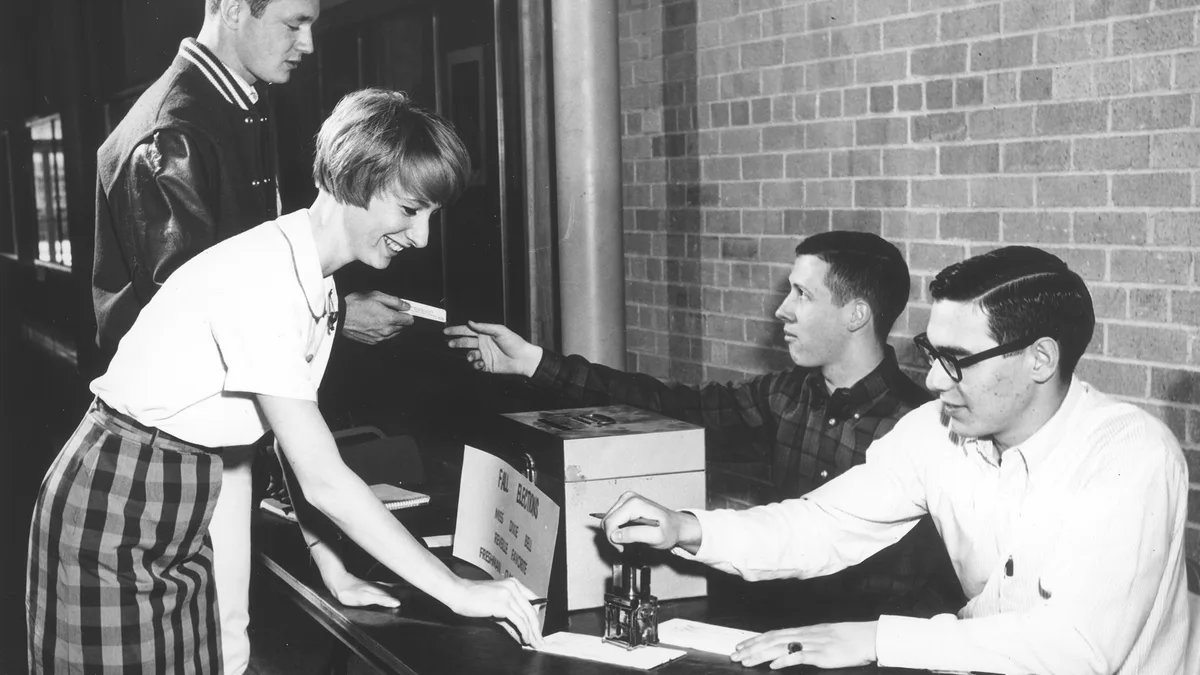
Councils maintain officer accountability by establishing written committee expectations, tracking attendance at mandatory work sessions, and conducting mid-year performance check-ins. When individual officers fail to complete assigned tasks, project deadlines slip and remaining council members bear unfair workloads. Fair, transparent accountability policies keep teams unified through high-stress event weeks.
Advisors recommend implementing a clear attendance standard in the council constitution. For example, missing more than two unexcused general meetings or event shifts in a semester should trigger a private counseling meeting with the advisor and president. Establishing a shared digital task board where committee chairs post weekly deliverables provides immediate visibility into which tasks are on track.
Recognition plays an equally vital role in accountability. Regularly celebrating behind-the-scenes contributions, such as staying late to clean up an auditorium or organizing ticket receipts, reinforces positive team habits. When student leaders feel appreciated by their peers, attendance and enthusiasm remain high through the demanding spring semester.
How to measure the success of student council initiatives
Evaluating student council projects requires analyzing quantitative participation figures, balanced financial reports, and qualitative student survey responses. Relying solely on whether an event felt fun provides incomplete feedback. Collecting objective data after every major initiative helps future councils refine budgets and avoid repeating past planning errors.
Standard post-event evaluation rubrics examine four primary metrics:
- Attendance and Participation Rate: How many students from each grade level attended compared to initial ticket sales or headcount goals?
- Budget Variance: Did actual expenditures match the approved budget allocation? Were all receipts submitted to the school bookkeeper within 48 hours?
- Post-Event Student Survey: Sending a brief three-question digital survey asking what students enjoyed and what could be improved yields valuable insights.
- Faculty and Custodial Feedback: Checking in with school facilities staff regarding cleanup and building security ensures lasting cooperation for future events.
Building a legacy of student leadership on campus
The true measure of an outstanding student council is how effectively it prepares the next generation of leaders. In late spring, outgoing officers should compile comprehensive transition binders containing event budgets, vendor contact lists, sample agendas, and post-event debrief notes. Handing over organized records ensures that incoming officers build upon your successes rather than reinventing procedures from scratch.
Class officers frequently asked whether minor constitution adjustments require administrative approval before voting. Consulting your advisor ensures all leadership procedures align with district policies. With disciplined planning, genuine student representation, and reliable follow-through, your student council will build a legacy of campus spirit and leadership that benefits students for years to come.
Asked at the planning meeting
What are good promises to make when running for student council?
Focus on tangible campus improvements within student government authority. Excellent campaign promises include establishing regular student feedback surveys, creating charging stations in common areas, introducing quiet study spaces during exam weeks, and improving transparency around event budget allocations.
How can student council raise turnout at school events?
To raise event turnout, keep ticket prices low, promote dates across multiple channels at least three weeks in advance, and include low-cost activities that appeal beyond athletics. Partnering with diverse student clubs and music groups ensures broader campus representation.
How often should student council committees meet?
General student councils typically hold bi-weekly or monthly full assemblies, while specialized subcommittees (such as dance planning or community service) meet weekly during active project sprints. Keeping meetings under 45 minutes maintains officer focus.
What is the role of a student council advisor?
The faculty advisor acts as the primary liaison between student officers and school administrators. Advisors approve facility use requests, oversee financial accounting, ensure compliance with district rules, and provide mentorship without dictating student decisions.
How does student council handle event budgets and receipts?
Councils manage funds through official school activity accounts governed by district bookkeepers. All purchases require pre-approval purchase orders or detailed receipts. Two authorized officers and the advisor must count and sign cash proceeds immediately following ticketed events.
How we researched this: Our editorial team reviewed high school student council handbooks, National Association of Student Councils guidelines, and leadership meeting rubrics to compile practical project calendars and campaign frameworks for campus officers.
Sources: National Association of Student Councils (NASC) Project Database; National Association of Secondary School Principals (NASSP) Leadership Guidelines; Robert’s Rules of Order Newly Revised in Brief; r/StudentCouncil Leadership Discussions.