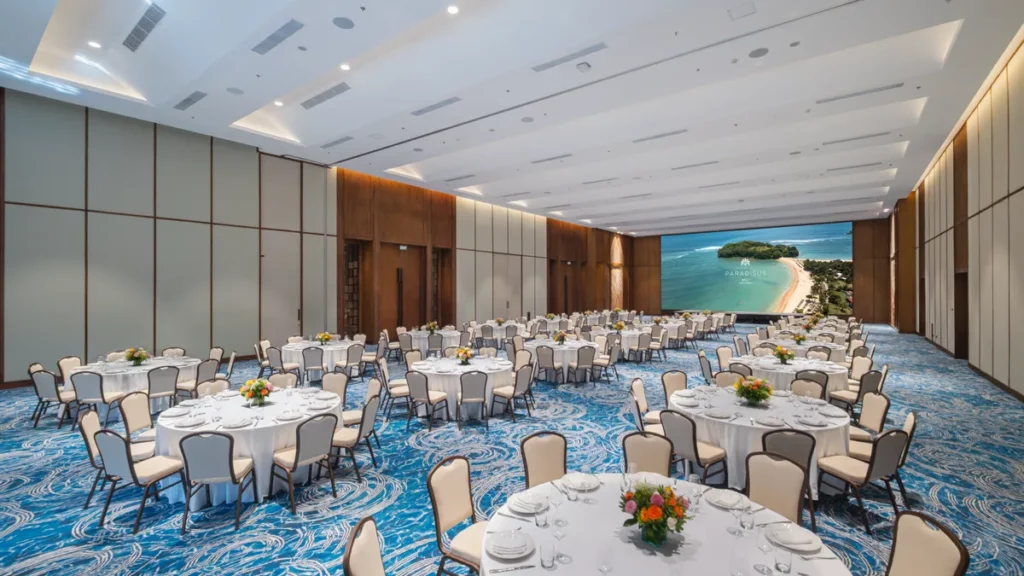
Plan in a minute Selecting standout prom themes requires comparing venue décor expenses, lighting versatility, and interactive photo installations within class budgets. Timeless concepts like Celestial Starry Night, Enchanted Garden, and Modern Met Gala transform ballrooms through layered LED uplighting, fabric draping, and floral arches while welcoming students attending solo or in groups.
Junior and senior prom represents the crowning social celebration of the high school journey. For class officers, activities directors, and parent decorating committees, producing an unforgettable prom demands blending cinematic visual concepts with disciplined financial budgeting. From off-campus hotel ballrooms to community event centers, your chosen theme sets the creative foundation for ticket artwork, floral arrangements, lighting designs, and social media photo backdrops.
Planning committees frequently struggle when selecting concepts that appear stunning on social media boards but prove prohibitively expensive or complex to build in physical event spaces. A theme requiring hundreds of feet of custom-built wood framing can quickly exhaust class funds and overwhelm student volunteers. In contrast, the most successful prom themes maximize impact through smart lighting, cohesive color palettes, and concentrated photo opportunities that deliver luxury aesthetics on realistic budgets.
This comprehensive comparison guide evaluates top-rated prom themes across practical budget tiers ranging from $1,200 to $4,500. Class officers frequently asked how decorating committees can deliver breathtaking visual transformations while keeping ticket prices accessible for every family. You will explore venue transformation strategies, ticket pricing mathematics, vendor negotiation timelines, and inclusive communication practices that maximize student attendance.
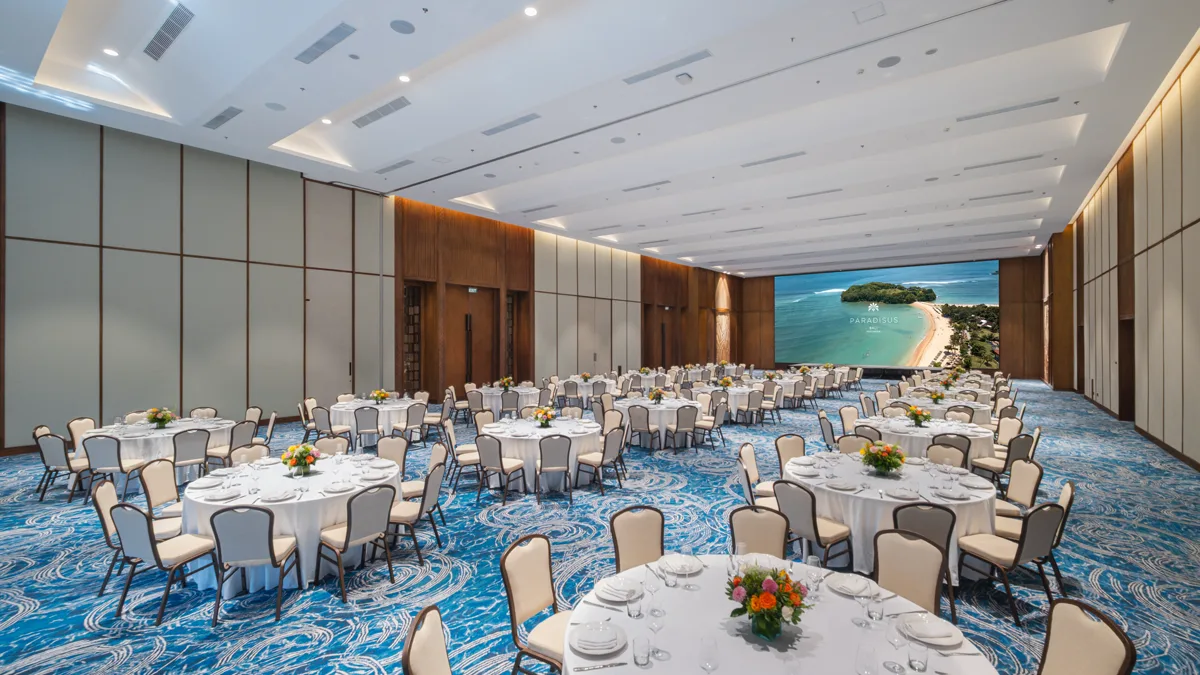
Which prom themes deliver the greatest visual impact on a budget?
Evaluating prom themes side by side helps class committees determine how decorating funds translate into tangible room aesthetics. Concepts built around dramatic ambient lighting and organic botanicals yield substantially higher visual returns per dollar than themes demanding elaborate hand-painted stage flats. Selecting versatile color palettes also allows students to coordinate formal attire effortlessly without feeling forced into narrow costume stereotypes.
The comparison table below details five standout theme concepts, outlining typical color palettes, estimated décor investments for a 300-student venue, signature photo backdrops, and core lighting techniques.
| Prom Theme Concept | Signature Color Palette | Estimated Décor Budget | Primary Photo Installation | Key Lighting Strategy |
|---|---|---|---|---|
| Celestial Starry Night | Midnight navy, metallic gold, starlight silver | $1,500 to $2,800 | Fairy light tunnel with hanging acrylic stars | Deep blue perimeter uplighting with gobo ceiling stars |
| Enchanted Secret Garden | Sage green, blush pink, ivory, champagne | $2,000 to $3,500 | Oversized greenery wall with neon quote sign | Warm amber wash with faux botanical branch chandeliers |
| Modern Met Gala | Crimson red, sleek black, bright white, gold | $1,800 to $3,200 | Velvet rope entrance with branded step-and-repeat | Sharp architectural spotlights and runway stage washes |
| Grecian Olympus Odyssey | Alabaster white, laurel gold, azure blue | $1,600 to $2,900 | Faux marble pedestals with cascading ivy urns | Soft warm uplighting reflecting off sheer white drapery |
| Golden Age Glamour | Burnished brass, onyx black, art deco cream | $2,200 to $4,500 | Geometric geometric arch with vintage fan centerpieces | Dim, moody perimeter sconces and gold pin-spot table lighting |
Among these options, Celestial Starry Night consistently proves the most cost-effective for large ballrooms. Because darkness and blue lighting do the visual work of concealing bland conference walls, decorating teams spend less on expensive wall draping. Conversely, Golden Age Glamour demands ornate geometric details, feathered centerpieces, and metallic tableware that require higher upfront rentals. For organizers comparing seasonal dance logistics across the school calendar, our analysis of winter formal themes offers additional venue décor strategies.
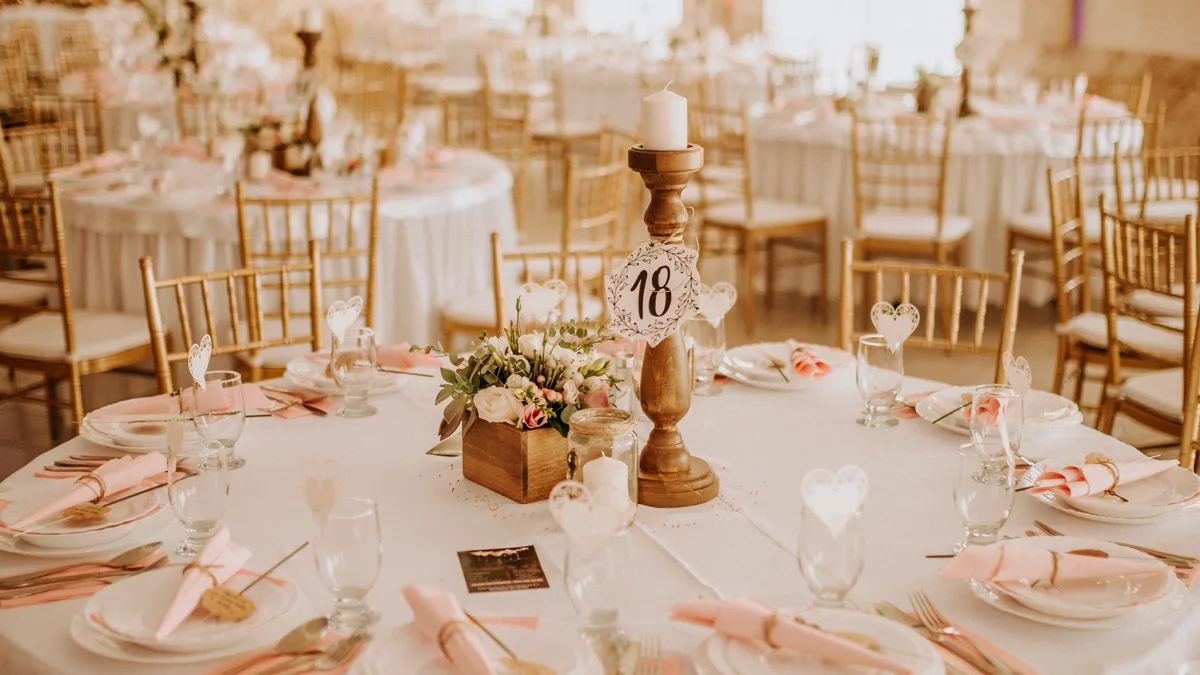
How can decorating committees transform large ballroom venues?
Transforming large ballroom spaces requires focusing resources where students naturally congregate: the main dance floor, the dining perimeter, and the arrival foyer. Spreading budget thinly across an enormous convention hall makes decorations appear sparse and underwhelming. Concentrating décor into high-density zones creates an immediate luxury ambiance upon arrival.
Begin by manipulating ambient lighting. Most banquet halls feature harsh fluorescent ceiling chandeliers designed for daytime corporate meetings. Request that banquet staff dim primary overhead fixtures by 80 percent, relying instead on programmable perimeter LED uplights. Placing battery-powered LED uplights every 15 feet along banquet walls instantly wraps the entire room in your theme’s signature color palette.
Banquet table centerpieces also define the seated atmosphere. Rather than purchasing expensive cut flowers that wilt within hours, savvy committees design reusable centerpieces using floating LED tea lights, submersible floral lights inside glass cylinders, or faux silk greenery garlands. These illuminated centerpieces double as table ambient lighting without presenting open-flame fire code hazards.
Explore further layout examples and venue design frameworks in our complete collection of prom planning guides.
What interactive photo installations create memorable student keepsakes?
Interactive photo installations create memorable student keepsakes by providing designated staging areas where students and friendship groups can capture professional-quality smartphone portraits. In modern high school culture, capturing social photography is as central to the prom experience as dancing. Providing multiple distinct photo backdrops prevents long, frustrated lines from forming near the venue entrance.
Plan at least three separate photo opportunities across the venue:
- Main Theme Vignette: Positioned in the grand entrance foyer, this flagship installation features your primary theme elements, such as an 8-foot floral arch, velvet sofa seating, or illuminated marquee letters spelling your graduating class year.
- Interactive Greenery Wall: Construct a modular 8×8 foot boxwood hedge backdrop accented with neon script signs featuring positive phrases like "A Night to Remember" or "Written in the Stars."
- Candid 360-Degree Video Booth: Renting an automated 360-degree rotating video platform staffed by an operator gives students high-energy slow-motion video clips they can instantly download to their mobile devices.
- Tabletop Selfie Ring Lights: Place small, battery-operated ring lights on dining tables so students can take flattering selfies during dinner service without hunting for bright venue lighting.
How should councils calculate prom budgets and ticket pricing?
Councils calculate prom budgets and ticket pricing by establishing break-even attendance models that cover all fixed vendor expenses while keeping ticket prices accessible for families. Underestimating fixed production costs or overestimating ticket sales can leave class treasuries with severe financial deficits.
A comprehensive prom budget divides expenses into fixed and variable categories:
- Fixed Costs: Venue facility rental, security guard staffing, DJ and lighting production, and photo booth rentals remain constant regardless of whether 200 or 400 students attend.
- Variable Costs: Plated dinners, dessert buffets, commemorative favors, and chair cover rentals scale directly with ticket counts.
To determine the baseline ticket price, calculate total estimated fixed expenses, divide by a conservative attendance projection (typically 65 percent of eligible juniors and seniors), and add the per-person catering cost. For example, if fixed venue and production costs equal $9,000 and 300 students are projected to attend, fixed cost per student is $30. Adding a $45 per-person catering package yields a minimum break-even ticket price of $75.
Student councils should also schedule tiered ticket sales: offering early-bird discounts during the first week of sales generates early cash flow for deposit payments while encouraging prompt student RSVPs.
How can committees foster an inclusive prom culture for all students?
Committees foster an inclusive prom culture by actively dismantling couple-centric traditions, offering group ticket packages, and establishing confidential financial aid programs. Prom attendance should celebrate the culmination of years of friendship and shared high school milestones rather than reinforcing rigid dating pressures.
Promotional posters and morning announcements should consistently showcase groups of friends having fun together rather than focusing solely on romantic couples. Encouraging students to attend solo or form large dinner friendship tables significantly lowers social anxiety for underclassmen and unpartnered seniors.
Practical steps for building a welcoming prom environment include:
- Prom Closet Initiatives: Partner with local community organizations to host a confidential on-campus "Prom Boutique" where students can select gently used formal suits, tuxedos, and gowns free of charge.
- Quiet Chill-Out Lounge: Designate a quieter adjoining room with comfortable seating, low ambient music, and water stations for attendees who need sensory breaks from loud bass and flashing dance floor lights.
- Flexible Attire Guidance: Communicate inclusive dress codes that welcome culturally authentic formal wear, dressy pantsuits, and tailored blazers alongside traditional gowns and tuxedos.
- Non-Alcoholic Mocktail Bar: Offer colorful fruit mocktails and sparkling cider stations, providing students with fun specialty beverages without any adult themes.
What timeline should committees follow for venue and DJ contracts?
Committees should follow a nine to twelve-month planning timeline to secure premier weekend dates at reputable hotels and book top-rated event DJs. High school prom dates converge across a narrow six-week window between April and May, causing regional venues and entertainment companies to book out nearly a full year in advance.
Adhering to this structured milestone schedule keeps organizing committees organized:
- 9 to 12 Months Out (May to August): Secure executive venue contracts, submit initial deposits, and establish the preliminary class budget with the faculty advisor.
- 6 Months Out (November): Interview and book licensed disc jockeys, lighting technicians, and professional photo booth companies. Confirm vendor insurance requirements with the school district business office.
- 4 Months Out (January): Finalize theme décor blueprints, solicit rental quotes for drapery and centerpieces, and confirm menu choices with hotel catering managers.
- 2 Months Out (March): Launch tiered ticket sales, publish guest pass clearance forms, and recruit faculty chaperones and administrative supervisors.
- 3 Weeks Out (April): Submit finalized dietary counts to the venue chef, deliver the approved music playlist to the DJ, and print alphabetized check-in rosters.
- Day of Prom: Supervise morning floral and lighting load-in, test sound levels and emergency exits with the venue coordinator, and complete the final walkthrough before doors open.
Asked at the planning meeting
How far in advance should schools reserve a prom venue?
Schools should reserve their prom venue 9 to 12 months in advance. Popular hotel ballrooms and country clubs fill their spring Saturday night calendars rapidly with weddings and neighboring high school proms.
What is a reasonable ticket price for high school prom?
Most public high schools set prom ticket prices between $65 and $110 per student, depending on whether the event includes a seated three-course dinner or light dessert hors d’oeuvres.
Can students attend prom without a date?
Yes. A substantial percentage of modern high school students attend prom in friendship groups or solo. Councils intentionally plan group seating tables and large photo backdrops to celebrate all attendees equally.
How many chaperones are required for a high school prom?
Most school district policies require one adult faculty chaperone for every 20 to 25 attending students, supplemented by professional venue security guards stationed at entrances and emergency exits.
What themes are easiest to decorate on a tight budget?
Celestial Starry Night and Enchanted Forest are the easiest themes on limited budgets because dark rooms, fairy light strands, and blue or green LED uplighting create dramatic atmosphere without expensive props.
How we researched this: Our editorial team analyzed hotel banquet contracts, professional event decorator pricing guides, and student council event debriefs to establish realistic prom décor tiers and logistical timelines.
Sources: National Association of Secondary School Principals (NASSP) Event Framework; High School Activity Advisor Protocols; National Association of Student Councils (NASC) Prom Guide.